

Wintering on the Southern Costa Blanca: Which Home Is Right for You?
Wintering on the Southern Costa Blanca: Which Home Is Right for You?
Would you like to spend the winter on the Southern Costa Blanca and are you considering buying a home there? If so, it’s wise to look for a home differently than if you were staying in Spain mainly in July and August.
A home that seems perfect in the summer can feel very different in the winter. The home’s orientation, sunlight on the patio, insulation, heating, wind, ventilation, and which amenities are open year-round suddenly become much more important.
The location also makes a difference. An apartment in the heart of Guardamar or Torrevieja offers a different winter lifestyle than a villa in Ciudad Quesada, a bungalow near a golf course, or a home in a quieter coastal community.
Wintering is therefore not just about the climate. It’s mainly about how comfortably and practically you can live in Spain for several months.
Be sure to check out our current listings, our existing homes, the available new-construction homes, and the current new-construction projects.
Why spend the winter on the Southern Costa Blanca?
The Southern Costa Blanca has a Mediterranean climate, with winters that are generally milder than in the Netherlands and Belgium. This makes the region attractive to people who want to spend part of the fall and winter in Spain.
Still, “mild” doesn’t mean that every day is warm and sunny. Here, too, cooler, cloudy, wet, or windy periods are possible. Especially in the evening and at night, a home without proper heating or insulation can feel quite chilly.
That is why it is important to look not only at average winter temperatures, but especially at the comfort level of the specific home.
A good summer home isn't necessarily a good winter home
In the summer, you often want shade, a cool spot, and a patio where you aren't sitting in the blazing sun in the middle of the day.
In winter, you actually want sunlight in your living room and outdoor space.
That means that the same orientation can feel completely different in July and January.
Those who spend most of the year at home during the winter would therefore be wise to assess their home specifically for winter comfort.
Orientation is especially important
The location of the living room and patio largely determines how much sunlight you get in the winter.
A south or southwest-facing terrace can be appealing because it allows you to enjoy the sun later in the day. An east-facing terrace, on the other hand, gets morning sun earlier, while a west-facing terrace can offer more afternoon and evening sun.
But there is no simple rule that says one direction is always better.
Surrounding buildings, trees, walls, changes in elevation, and terrace depth can significantly affect the actual amount of sunlight.
Really Take in the Winter Sun
The sun is much lower in the sky in winter.
A patio that gets hours of sunshine in the summer can be almost completely in the shade in December because of a building across the street.
That is why, when choosing a home for the winter, it is important not to consider only the compass direction.
Also take a look at how tall the surrounding buildings are and where the sun actually passes by.
Visiting in Winter
If overwintering is one of your main goals, a winter tour can be particularly valuable.
You'll immediately notice:
- how much sun hits the patio;
- how warm or cool the living room feels;
- how strong the wind is;
- which restaurants and bars are open;
- and how lively the area remains outside the summer season.
Sometimes that tells you more than a tour in the middle of August.
Heating in Spanish Homes
Many homes on the Costa Blanca use air conditioning with a heating function or a heat pump system.
But not every home has the same system.
Therefore, for existing buildings, check the following:
- which rooms can be heated;
- how old the system is;
- whether there is ducted air conditioning or standalone units;
- and how efficiently the system works.
Don't automatically assume that every room is fully heated.
Air Conditioning with a Heat Pump
Modern air conditioning systems can both cool and heat.
That can be practical because the same system is used in both summer and winter.
But consider the entire home. Just because there’s one unit in the living room doesn’t mean the bedroom and bathroom will also be comfortably heated.
New Construction and Heating
New construction may include a modern climate control system, but always check the memoria de calidades.
“Pre-installation for air conditioning” means something different from a fully operational system.
It must also be clear whether equipment is actually included.
Insulation
For winter comfort, insulation is just as important as heating.
Newer homes generally meet more recent building codes, but existing homes can also be comfortable if the windows, glazing, and other components have been updated.
Be sure to check out, among other things:
- the frame;
- glazing;
- facade;
- dak;
- and any drafts.
Older coastal home
An older apartment could be the perfect place to spend the winter, since shops and the boardwalk are within walking distance.
Technically, however, the home may function differently than modern new construction.
That doesn't have to be a reason to write him off.
New windows, better air conditioning, and sunshades can make a big difference.
Double-pane windows
For year-round living or wintering, good glazing can help ensure comfort.
It not only helps keep you warm, but also helps with:
- sound;
- draft;
- believed;
- and condensation.
For existing buildings, check which windows have actually been replaced.
Ventilation
Ventilation remains important even in winter.
A home that remains closed for an extended period of time may feel less fresh and, under certain conditions, may develop condensation.
That doesn't mean that homes on the Costa Blanca are automatically damp, but it does mean that ventilation remains an essential part of proper home maintenance.
Condensation
When warm indoor air comes into contact with cold surfaces, condensation can form.
This is particularly relevant in homes that are not well-ventilated or that have been vacant for a long time.
When viewing a property, check the walls, windows, closets, and corners.
Sun and ventilation
A home that gets plenty of winter sun can warm up more quickly.
That can be pleasant, but it may also mean that you'll need to ventilate during the day.
The best winter comfort usually comes from a combination of sunlight, insulation, heating, and ventilation.
Living by the Sea in Winter
A coastal home can be appealing because of beach walks and the view.
But near the sea, the wind can be more noticeable.
That could affect how often you use the patio.
A sheltered terrace a few blocks from the ocean can sometimes be more comfortable in winter than a completely open terrace right on the waterfront.
Wind on the Coast
Wind varies greatly depending on location, building design, and orientation.
A high-rise penthouse can be exposed to much more wind than a second-floor apartment.
If you enjoy sitting outside every winter afternoon, you should therefore pay just as much attention to wind protection as you do to the sun.
Salt Tax
A home located near the sea is more likely to be affected by salt.
This can affect metal parts, roller shutters, air conditioning units, patio furniture, and fencing.
For someone who’s there for several months, that doesn’t have to be a problem, but maintenance is part of living by the coast.
Spending the Winter in Guardamar del Segura
Guardamar del Segura may appeal to winter visitors who enjoy combining the beach, nature, and a compact town center.
In certain areas, there's plenty you can do on foot.
That's convenient if you don't want to use your car every day.
In addition, Guardamar has a very different winter profile than a remote residential community.
Guardamar City Center
An apartment in or near the city center can be convenient if you want shops, restaurants, and the beach to be relatively close by.
For winter use, I would focus primarily on:
- lift;
- winter sun;
- patio;
- parking space;
- and wind protection.
A home located a little farther from the sea can sometimes be more comfortable in the winter.
El Raso
El Raso has a more residential feel and is located inland from the center of Guardamar.
Here you'll find many apartments, bungalows, and modern residences.
A car is usually more practical.
For winter visitors, this can work out great when peace and quiet, a pool complex, and residential living are more important than being able to do everything on foot.
Spending the Winter in Torrevieja
Torrevieja has the advantages of a larger city.
That means more year-round amenities, shops, restaurants, and urban functions.
This might be appealing to someone who spends several winter months in Spain.
Downtown Torrevieja or a residential neighborhood?
There's plenty to do on foot in the city center.
Outside the city center, you may find more peace and quiet, more outdoor space, or a more modern home.
So the best choice depends on what you consider important in your daily life during the winter.
La Mata
La Mata has a strongly coastal character.
It's appealing to people who enjoy walking along the seashore and are looking for an apartment near the beach.
Before using the vehicle in winter, be sure to check the following:
- orientation;
- wind;
- which facilities are open year-round;
- and a parking lot.
Ciudad Quesada
Ciudad Quesada is popular with international residents and is inhabited year-round.
You'll find plenty there:
- villas;
- bungalows;
- private swimming pools;
- restaurants;
- stores;
- and international facilities.
This may be appealing to winter visitors who want more space.
Ciudad Quesada is large
Not every area of Ciudad Quesada is equally convenient.
Avenida de las Naciones, Doña Pepa, Lo Marabú, Pueblo Bravo, Lo Pepín, and La Marquesa each have a different character.
One home is on flatter ground and closer to amenities, while the other is in a quieter location or higher up with a view.
For winter use, you should therefore always check the specific residential zone.
The Marchioness
There are elevation changes around La Marquesa Golf.
That can offer beautiful views, but also more wind and steeper hiking trails.
For active winter vacationers, nearby golf courses can be appealing, but be sure to check the daily walkability.
Benijófar
Benijófar might be of interest to those who prefer a more compact town.
You'll find a blend of a traditional Spanish village center, international amenities, and newer residential areas.
Much of the area is relatively flat, making it a pleasant place for daily walks.
The Montesinos
Los Montesinos has a more traditional Spanish village feel.
You live inland and drive toward the coast, heading for the beach.
For winter visitors who value peace and quiet, local village life, and flat terrain, this can actually be quite appealing.
Saint Paul
Santa Pola is a true coastal town with a harbor, beaches, and year-round daily life.
That might be appealing if you value the coast but don't want to live in a purely tourist-oriented area.
A centrally located apartment can also significantly reduce dependence on cars.
Santa Pola of Gran Alacant?
Gran Alacant is part of the municipality of Santa Pola, but has a completely different residential profile.
Gran Alacant consists largely of residential developments and is hilly in places.
Downtown Santa Pola is more compact and urban.
For winter visitors who like to walk to the shops and the promenade, downtown Santa Pola may be more convenient.
Pilar de la Horadada
Pilar de la Horadada has a local Spanish center and several coastal areas within the same municipality.
For a winter getaway, Pilar might be a good choice if you value daily village life and don’t mind driving a short distance to the beach.
La Horadada Tower
Torre de la Horadada is located by the sea and has a more rugged coastline.
People who enjoy walks on the beach may find this more appealing.
Be sure to check how many facilities in the immediate area remain open year-round.
Orihuela Costa
Orihuela Costa offers a wide selection of apartments, bungalows, and villas.
Areas such as Villamartín, Playa Flamenca, and La Zenia offer many international amenities.
But there are significant differences between urban areas.
When planning for winter use, it’s a good idea to consider year-round restaurants and bars, supermarkets, hiking trails, and reliance on a car.
Village of Martin
Villamartín may be of interest if golf, international dining, and residential living are important factors.
You live a little inland and drive to the beach.
For active winter visitors who play golf regularly, this can actually be appealing.
Playa Flamenca in La Zenia
These areas are closer to the coast and commercial amenities.
That can be convenient if you want to have shops and restaurants nearby.
On the other hand, this may result in heavier traffic.
Golf as a Winter Activity
Golf can play an important role for those spending the winter here.
The milder winter weather makes it appealing to stay active outdoors.
That's why residential areas around La Marquesa, Villamartín, Campoamor, Las Ramblas, La Finca, and Vistabella might be of interest.
But don't automatically buy a home right next to a golf course.
Also check out everyday convenience and proximity to amenities.
Hiking in Winter
For many people who spend the winter here, walking becomes an important part of daily life.
That is why a flat, easily accessible environment can be more valuable than spectacular views.
So when choosing a home, also consider:
- sidewalks;
- slopes;
- boulevard;
- distance to stores;
- on the way to a restaurant or bar.
Cycling
Cycling and e-biking can also be appealing.
A flat area can be useful in this situation.
A storage room or secure storage space for bicycles is therefore a useful home feature.
Apartment for the winter
An apartment can be a very practical choice.
The property requires relatively little maintenance, and it’s easier to lock it up when you return to the Netherlands or Belgium in the spring.
The following are particularly interesting for winter use:
- lift;
- sunny terrace;
- good glazing;
- heating;
- and a central location.
Apartment with an elevator
An elevator becomes more important when you're staying for several months and go grocery shopping regularly.
For future-oriented living, it is also important that the elevator be easily accessible from the street and, if applicable, from the garage.
Ground-floor apartment
A ground-floor home can be an attractive option if you want to live on one level but are still looking for a spacious outdoor area.
Be sure to check how much winter sun the patio gets.
Due to walls and balconies above, a ground-floor apartment may be shaded sooner in the winter.
Penthouse for the winter
A penthouse often offers plenty of sunlight and outdoor space.
On the other hand, there's more wind.
For someone who spends the winter there, a well-sheltered main patio is often more important than a huge, open rooftop terrace.
Bungalow
A bungalow can be an interesting compromise between an apartment and a villa.
A ground-floor bungalow offers direct access to outdoor space, while an upstairs apartment often has a sunroom.
Above all, think about how many flights of stairs you're comfortable with now and in the future.
Villa for the winter
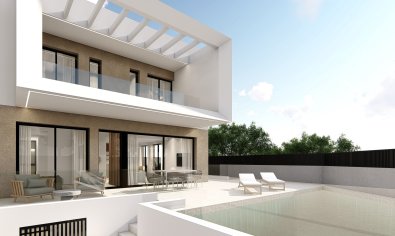
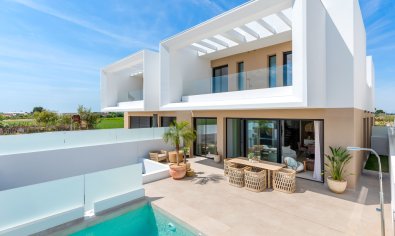
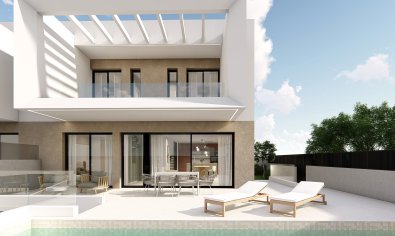
A villa offers privacy, space, and often a private pool.
But it also means more maintenance.
If you’re only there during the winter, you’ll need to think about what will happen to your home, yard, and pool while you’re away for months at a time.
Private Pool in Winter
A private pool sounds appealing, but it may be used much less in the winter if it isn't heated.
Those who only use their pool during the winter may therefore wonder how much value a large pool really has.
Sometimes a larger, sunny patio is much more useful.
Pool Heating
If you'd like to use the pool even during cooler months, you should consider installing a pool heating system.
This requires a suitable installation and entails additional energy and maintenance costs.
Don't automatically assume it's suitable for winter use just because there's a swimming pool.
Communal swimming pool
Many apartment complexes have a communal swimming pool.
These are not always heated, and their use may vary depending on the season or community rules.
Therefore, ask the specific residence how the pool can actually be used.
A swimming pool isn't the most important factor when choosing a winter destination
For a summer home, a swimming pool is often high on the wish list.
When it comes to overwintering, other factors may prove to be much more important:
- sunny terrace;
- heating;
- stores nearby;
- flat terrain;
- and live there year-round.
That could significantly change the selection of housing.
Large patio for winter use
A large patio is appealing, but especially when it's sunny and sheltered.
A smaller south-facing patio can be more pleasant in January than a huge north-facing one.
So focus on usable winter hours rather than just square meters.
Pergola and Winter Sun
A permanent pergola can provide ideal shade in the summer, but it can block the sun in the winter.
So check how deep the canopy is and how low the winter sun gets beneath the structure.
An adjustable awning can offer more flexibility.
Glass Curtains
Glass curtains can make a patio more comfortable on windy or cooler days.
For existing homes, it must be verified that they have been installed correctly in accordance with community rules and any permit requirements.
They can be nice, but they don't automatically turn a patio into a full-fledged living space.
Indoor and Outdoor Living in Winter
A home with large windows and a patio that opens directly off the living room can be especially pleasant in winter.
Even on cooler days, you can enjoy the natural light and the view from inside.
That might be more important than a standalone tanning bed on another floor.
City center or urban area?
This is one of the most important decisions for those spending the winter here.
A center offers more:
- stores;
- hospitality industry;
- hiking;
- daily interactions;
- and less dependence on cars.
A housing development may offer:
- more peace and quiet;
- patio;
- village;
- swimming pool;
- and privacy.
Which one is a better fit depends largely on your daily routine.
Social Life in Winter
When you're staying for several months, social interaction often becomes more important than it is during a short vacation.
That is why a residential area with year-round residents can be attractive.
International areas such as Ciudad Quesada and parts of Orihuela Costa have a different demographic profile than more traditional Spanish villages such as Los Montesinos or Pilar de la Horadada.
Restaurants and bars that are open year-round
In areas that are primarily known as vacation destinations, some restaurants and bars may have reduced hours during the off-season.
For a winter visitor, that can be noticeable.
So, when you're looking for a place to live, check which amenities actually operate year-round.
Supermarket within walking distance
Having a supermarket nearby may seem like a minor detail, but it can become very important during a stay of four or five months.
That way, you won't have to get in the car for every little errand.
This may be even more relevant for retirees or those planning for the future.
Pharmacy and Healthcare
Pharmacies and access to health care also deserve attention.
How you can use the Spanish public healthcare system depends on your personal situation and coverage.
Learn more about health care in Spain and hospitals and clinics on the Costa Blanca.
Wintering and Retirement
For many people, spending the winter in Spain is the first step toward a longer-term or permanent stay there.
If you think you might want to move out completely at some point in the future, it may be wise to take that into account when choosing a home.
Don't just focus on winter comfort—consider future accessibility as well.
Be sure to also read our information about retirement in Spain.
Want to rent first to get a feel for the area?
If you're not sure which place is right for you, renting temporarily can help you get a feel for a region during the winter.
You'll then notice, for example, whether you prefer:
- by the sea;
- in a Spanish village;
- in golf;
- in an international urban development;
- or in a larger city
lives.
If you already know exactly where you'd like to live, you can actually move more quickly toward making a purchase.
Should I rent or buy for the winter?
Both have their advantages.
Renting offers flexibility and makes it easier to try out different places.
Buying a home gives you a permanent place of your own that you can decorate exactly as you wish.
The financial and practical decision is a personal one and should not be based solely on potential appreciation in value or rental income.
Leaving Your Own Belongings Behind
One advantage of owning a second home is that you don't have to bring everything with you every winter.
For example, you can leave clothing, bicycles, golf equipment, and personal belongings in Spain.
This makes a good storage room much more valuable.
Car in Spain
People who buy a home outside a compact city center tend to use a car more often.
So think ahead about how you want to spend the winter months.
If you want to be able to walk to stores and restaurants on your own every day, that should be a key criterion in your search.
A Car-Free Home for the Winter
If you want to spend the winter with less reliance on a car, the central areas of towns like Guardamar, Torrevieja, and Santa Pola make more sense to explore than the scattered villa neighborhoods.
It may also be possible in other places, but the specific street makes a big difference.
Parking Lot
If you do use a car, having your own parking space can be very convenient.
This is certainly true in coastal areas, where parking can become more difficult during peak periods.
For an apartment with a garage, an elevator is also convenient.
Leaving a home vacant for months
If you only stay there in the winter, the house may stand empty for much of the spring and summer.
Then you should consider:
- ventilation;
- water;
- electricity;
- security;
- insurance;
- key management;
- and periodic inspections.
Your insurer may also have specific terms and conditions regarding long-term absences. Be sure to check your specific policy.
Key Management
A local locksmith service can be helpful if you'll be away for several months.
For example, someone can check on the property after bad weather, grant access to maintenance crews, or identify problems early on.
This is often even more relevant for a villa with a pool and garden.
Garden Maintenance While You're Away
A large garden is appealing as long as you're there.
But if you're away for a large part of the year, someone has to take care of it.
A smaller lot or a low-maintenance garden may be more practical for those who spend the winter here.
Pool Maintenance While You're Away
Even a private pool needs to be maintained when you're not in Spain.
Take these ongoing costs into account when deciding between a villa and an apartment.
Apartment as a "lock-and-leave" home
An apartment can be very practical for people spending the winter there because it requires less outdoor maintenance.
The community usually takes care of the common areas.
Of course, this is in exchange for a periodic contribution.
Community
If you live in an apartment or a residential complex, you usually pay community fees.
Ask about the current dues, reserves, planned work, and any additional costs.
When planning for the winter, it's also helpful to know which shared facilities are available outside of the summer months.
New Construction for Winter Storage
New construction can be appealing because of its modern insulation, new systems, and ease of maintenance.
Still, the location remains just as important.
A modern villa located far from shops may be less practical for someone spending the winter there than an older apartment in the heart of a lively town.
What is included in new construction?
Always check the specifications.
Don't automatically assume that:
- full air conditioning;
- kitchen appliances;
- solar panels;
- furniture;
- swimming pool;
- parking space;
- salvage;
- or sun protection.
For winter use, it is especially important to know how the home is heated.
Buying Off-Plan
If you are purchasing the property before it is completed, have an independent legal review conducted to verify that the permits, contract, payment schedule, protection of advance payments, and conditions of delivery are properly arranged.
Also, carefully assess the orientation based on the site plan.
A scheduled completion date is not an absolute guarantee.
Turnkey new construction
With a newly built home, you can much better assess how the sun actually shines on it.
That's a big advantage for those who spend the winter here.
If possible, visit during the winter months, or ask very specific questions about the sun at different times of day.
Existing Buildings for Winter Storage
Existing homes can be appealing because you can see the property in its actual surroundings.
In addition, it’s often best to ask current residents how the housing complex operates in the winter.
Pay special attention to windows, heating, moisture, sun exposure, and community documentation.
Energy Consumption
A home with poor insulation or an outdated heating and cooling system may use more energy in the winter.
When making a purchase, therefore, you shouldn't just look at the asking price.
Technical comfort also affects operating costs.
Solar Panels
Solar panels can be a feature of a modern home, but they aren't found everywhere.
In new construction, there may be individual or shared systems.
Always inquire about the specific technical and legal situation.
Winter Storage and Vacation Rentals
Some owners want to use the home themselves in the winter and rent it out in the summer.
That sounds logical, but tourist rentals aren't automatically permitted.
Before purchasing, check the regional regulations, municipal ordinances, zoning status, community rules, and registration requirements for the specific property.
No guaranteed rental income
Even a home in a popular coastal town does not guarantee a return on investment.
Management, maintenance, taxes, occupancy, and regulations all affect net income.
Therefore, first and foremost, buy a home that suits your own needs if that is your main reason for buying.
Rental and personal winter use
Your own stay dates also determine which weeks are still available for rental.
A home that’s perfect for your own winter stay isn’t necessarily the most profitable rental property.
Those are different objectives.
Long-term stays and personal rules
If you are staying in Spain for an extended period, depending on your situation, issues such as residency, taxes, health care, insurance, and vehicles may come into play.
The exact consequences depend on your personal circumstances and the duration and nature of your stay.
If you spend long periods of time in Spain on a regular basis, be sure to seek advice on this matter in a timely manner.
A NIE and a residencia are not the same thing
An NIE number is an identification number for foreign nationals and is required, among other things, when purchasing real estate.
"Residencia" is something different and relates to residence and registration.
Learn more about NIE and residency in Spain.
Buying a Home for the Future
Some buyers first purchase a second home to spend the winter there and then move there permanently years later.
That might be a wise move if you’re buying with the future in mind from the start.
In that case, consider:
- few stairs;
- lift;
- bedroom and bathroom on the ground floor;
- care close to home;
- shops within walking distance;
- and manageable maintenance.
Accessibility
A home that is easily accessible now can provide a great deal of independence later on.
A single-story villa sounds ideal, but be sure to check the slopes and the distance to amenities as well.
An apartment with an elevator in a flat downtown area may be more practical in the long run.
Spending the Winter with Your Dog
If you have a dog, outdoor space and opportunities for walks can become especially important.
A villa with a garden is appealing, but an apartment near the boardwalk or nature can also be a good option.
Also keep in mind shade and a safe outdoor space.
The sea, the beach, or a village?
When preparing for winter, it may help to first imagine your ideal winter day.
Would you like to take a walk along the beach in the morning, have lunch on a patio in the afternoon, and walk to a restaurant in the evening? If so, a compact coastal town might be a good fit for you.
Are you looking primarily for golf, peace and quiet, and a private pool? If so, a residential golf or villa community might be a better fit.
Are you looking for authentic Spanish village life? If so, places like Benijófar, Los Montesinos, or Pilar de la Horadada might be of interest to you.
What types of homes are well-suited for spending the winter?
A centrally located apartment with an elevator and a sunny terrace can be ideal if you don't plan on using your car much.
A bungalow with a south-facing outdoor space offers a greater sense of privacy outdoors without the maintenance required by a large villa.
A single-story villa with a manageable lot can be appealing when privacy and space are important.
A penthouse with a sheltered terrace can offer plenty of winter sun, but be sure to check the wind conditions carefully.
How much does it cost to keep a home heated during the winter?
It doesn't make much sense to give a general estimate.
The price depends on the location, type of home, distance to the sea, terrace, pool, parking space, year of construction, and condition.
A small apartment in a prime coastal location can be more expensive than a larger home further inland.
So be sure to check out our current listings for the latest asking prices.
Don't just compare the purchase price
Annual operating costs are also important for a winter home.
Consider community fees, insurance, electricity, internet, key management, the yard, the pool, and maintenance while you're away.
A larger villa may seem inexpensive to buy but requires more ongoing maintenance.
Purchase Costs
When buying a house in Spain, there are additional costs on top of the purchase price.
New construction and existing properties are treated differently for tax purposes. In addition, costs may arise from, among other things, the notary, the property registry, independent legal counsel, and financing.
Therefore, have a customized, comprehensive calculation prepared for each specific home.
Mortgage for a winter home
Dutch and Belgian buyers can apply for a Spanish mortgage under certain conditions.
The options depend on factors such as income, financial obligations, age, appraisal, home value, and residency status.
Learn more about a mortgage in Spain.
Legal Review
When purchasing a home for the winter, the same legal considerations apply as with any other purchase.
Have the following items checked, among others: ownership, encumbrances, the Property Registry (Registro de la Propiedad), the Cadastral Registry (Catastro), the swimming pool, the parking space, the storage room, any renovations, and the homeowners' association (comunidad).
Seek independent legal advice for this matter.
Dutch real estate agent specializing in winter homes on the Costa Blanca
Are you looking for a Dutch real estate agent to help you find a home to spend the winter in on the Southern Costa Blanca?
Casas Palmeras allows you to search much more specifically than just by location and number of bedrooms.
For example, we can take the following into account:
- winter sun;
- a south- or southwest-facing terrace;
- light wind;
- lift;
- flat terrain;
- shops within walking distance;
- year-round facilities;
- low-maintenance outdoor space;
- and reduced dependence on cars.
Read more about Casas Palmeras, a Dutch real estate agency on the Costa Blanca and about our approach.
First, determine your ideal winter
The best home isn't defined by the number of bedrooms.
First, ask yourself how you want to spend your winter days.
Would you like to do a lot of hiking, golfing, and biking; sit on outdoor patios; walk to restaurants; or, on the contrary, enjoy peace and privacy at home?
Once that's clear, it will also become much clearer which location and type of home are right for you.
View homes for winter stays
Would you like to search specifically for a home that is comfortable to live in, especially during the winter months?
Then take a look at our current listings, our existing homes, the available new-construction homes, and current new-construction projects.
Would you like us to specifically search for, say, an apartment with winter sun and an elevator, a bungalow with a sunny terrace, a single-story villa close to amenities, or a home where you can stay for several winter months without needing a car very often? If so, please fill out the questionnaire for your home search or contact Casas Palmeras with no obligation.
Spending the winter on the Southern Costa Blanca requires a different choice of accommodation than a summer vacation. Winter sun, heating, insulation, shelter from the wind, and year-round amenities become much more important than just a pool and proximity to the beach. A centrally located apartment in Guardamar or Santa Pola may therefore be a better fit than a large villa outside the city center, while someone seeking peace and privacy might find Ciudad Quesada, Benijófar, or a golf course community to be an excellent choice. That’s why you should focus on how the home functions in January. Ultimately, the best winter home is the place where, even after several months, you can still lead your daily life comfortably, independently, and happily.