



Greetings from La Unión: mines, flamenco and the Mediterranean
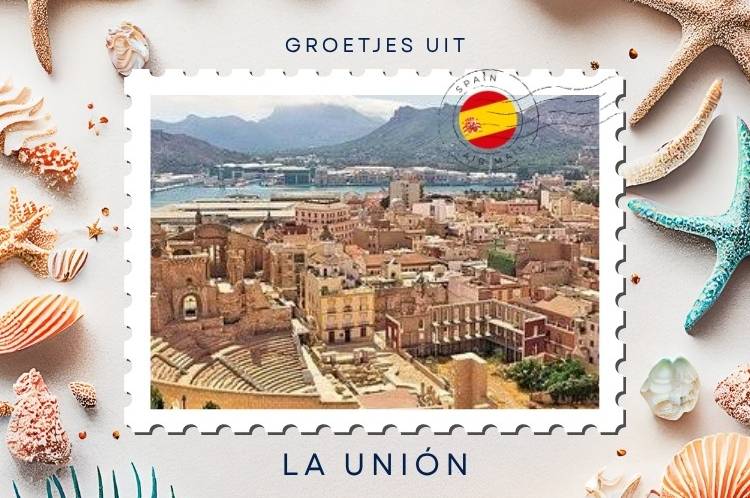
Greetings from La Unión: mines, flamenco and the Mediterranean
La Unión lies in southeastern Murcia between Cartagena, the Mar Menor and Mediterranean Sea. Its identity is dominated by the Cartagena-La Unión Mining Range, where thousands of years of extraction have created an unusually colourful landscape containing lead, silver, iron, zinc, manganese and pyrite. The Sierra Minera is now protected as a historic cultural site.
The municipality also includes Portmán on the Mediterranean and rural Roche, creating three remarkably different environments within a relatively small area.
A town created by mining
Modern La Unión is relatively young.
The nineteenth-century mining boom began around 1840 and attracted large numbers of workers, particularly from Almería. Garbanzal, Herrerías, Portmán and Roche grew so quickly that they separated from Cartagena and formed a municipality on 1 January 1860, initially called Villa de El Garbanzal.
The name was changed to La Unión in 1868.
Mining long before La Unión existed
Extraction in these mountains reaches back much further.
Minerals were worked during prehistoric periods and later by Iberian and Roman communities. Portmán, known to the Romans as Portus Magnus, became an important harbour for the mining district.
Mining returned on a huge scale during the nineteenth century and continued through different phases until 1991.
The mining boom
La Unión's golden period came during the late nineteenth and early twentieth centuries.
Around 1908 the population reached approximately 35,000 and mining wealth transformed the town. The Public Market, Casa del Piñón and Rosario Church all reflect this period.
Behind the wealth, however, thousands of miners endured extremely difficult working conditions.
La Unión Mining Park
The Parque Minero de La Unión preserves part of that industrial landscape.
The complex covers around 50,000 m² and incorporates eight nineteenth-century mining sites together with furnaces, washing facilities, explosives stores and historic routes.
A practical note for August 2026: the exterior park remains accessible on foot, but the interior of Agrupa Vicenta Mine is temporarily closed.
Agrupa Vicenta Mine
Agrupa Vicenta dates from 1869.
When open to visitors, it extends more than 80 metres underground, with over 4,000 m² of accessible chambers and galleries. Huge pillars, high vaults and a reddish underground lake coloured by pyrite created one of the most unusual mining attractions in Europe.
It has even served as a performance venue for flamenco.
Music born underground
Mining and flamenco became deeply connected in La Unión.
Many nineteenth-century workers arrived from Andalusia and brought their musical traditions with them. In the mining communities, this developed into cantes mineros, songs reflecting danger, hardship, family and life underground.
This heritage is why La Unión describes itself as both a mining and singing city.
International Festival of Cante de las Minas
Since 1961, La Unión has hosted the International Festival of Cante de las Minas.
It holds International Tourist Interest status and includes competitions in singing, guitar, dance and flamenco instrumentation. The prestigious Lámpara Minera is its principal singing prize.
The 65th edition ran from 29 July to 8 August 2026.
The Cathedral of Cante
The festival's main venue is the extraordinary Antiguo Mercado Público.
Completed in 1907, its iron-and-glass structure is one of Murcia's most important Modernist buildings and a direct reflection of the town's mining wealth.
It no longer operates as a normal market and is now devoted to cultural events.
During the festival it becomes the appropriately named Cathedral of Cante.
Casa del Piñón
Another legacy of the mining boom is Casa del Piñón.
Mining entrepreneur Joaquín Peñalver Nieto commissioned the building as luxury rental apartments. Its eclectic decoration includes Egyptian, Persian, Byzantine and Mudéjar influences.
Today it houses La Unión Town Hall and is also connected with the town's flamenco museum heritage.
Mining Museum
The Museo Minero contains more than 300 mining and metallurgical objects and around 200 mineral specimens.
Among its most unusual pieces is the last surviving malacate from the Sierra Minera, once used in vertical mine-shaft operations.
The museum explains extraction, processing and smelting as well as the lives of the people who worked underground.
Camino del 33
The Camino del 33 was historically an important mining route between La Unión and Portmán.
Workers and mineral transport used the road through the Sierra. It is now marked as the PR-MU 88 trail and forms part of the mining heritage landscape.
Its unusual name has a simple explanation: the route carried number 33 in the old plan and construction also finished in 1933.
Mining Holy Week
Even Holy Week reflects the mining identity.
La Unión's Semana Santa Minera has Regional Tourist Interest status. The Cristo de los Mineros and traditional mining saetas connect religious devotion with the town's flamenco heritage.
Few places blend mining, flamenco and Easter traditions quite as directly.
Portmán: the municipality reaches the sea
Drive across the Sierra and you eventually reach Portmán.
The Romans knew the natural harbour as Portus Magnus, and it played an important role in exporting mineral wealth from the district.
The landscape still contains both Roman archaeology and the remains of nineteenth- and twentieth-century industry.
The other side of mining history
Portmán also demonstrates the environmental cost of industrial extraction.
Twentieth-century open-pit mining and mineral processing profoundly altered the bay and surrounding landscape. That legacy remains a visible part of the area's recent history.
It gives La Unión's mining story a much more complex dimension than simply nostalgia for a prosperous past.
Playa del Lastre
For Mediterranean bathing, Playa del Lastre is officially listed as a natural beach at Portmán.
Playa de Portmán is also registered as a semi-urban beach.
The coastline here feels considerably less developed than many destinations around the Mar Menor.
Roman archaeology in a mining hospital
Portmán's Archaeological Museum occupies an 1892 building originally constructed as a hospital for injured miners.
Inside are Roman mosaics and painted plasterwork discovered at a villa dating from the first to third centuries AD.
Few museums connect Roman wealth and modern mining history so neatly within one building.
Roche
The municipality's other major settlement is Roche.
It has a much more rural atmosphere and its Ethnographic Museum preserves household items, agricultural tools, ceramics, traditional clothing and esparto objects.
It provides yet another perspective on everyday life away from the mines and coast.
Cartagena on the doorstep
For permanent residents, proximity to Cartagena is a major practical advantage.
La Unión is also served by the Cartagena–Los Nietos Cercanías railway, with stations at La Unión and La Unión Vieja.
Major healthcare, shopping, education and cultural facilities are therefore relatively easy to reach.
Living in La Unión
La Unión is far more residential and locally Spanish than the major international resorts around the coast.
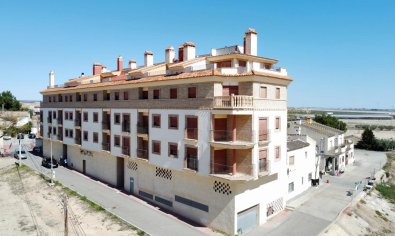
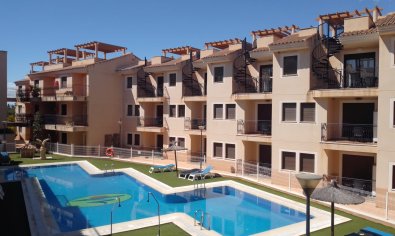
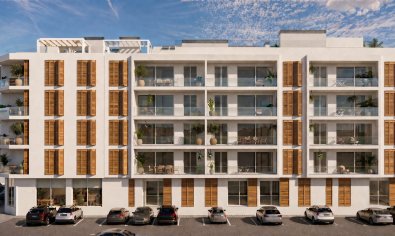
The town mainly contains apartments, traditional houses and low-rise residential streets. Portmán provides a small Mediterranean community, while Roche offers a more rural environment.
These three locations should therefore be considered separately when looking for property.
Buying property in La Unión
The first choice is essentially town, countryside or coast.
Central La Unión is the most practical for everyday facilities. Roche offers greater rural character, while Portmán provides Mediterranean surroundings.
For rural homes, planning status and registration of buildings, pools and extensions should always be checked carefully.
In this particular municipality, it is also sensible to understand the immediate landscape and its historic relationship with mining before buying.
Why La Unión is worth discovering
Begin at the old Public Market before walking along Calle Mayor towards Casa del Piñón. Visit the Mining Museum and then head into the Sierra along the Camino del 33.
Continue all the way to Portmán for Roman archaeology and the Mediterranean coast.
And if you visit around the beginning of August, spend an evening at the Cante de las Minas.
Only then does La Unión's description of itself as minera y cantaora really make sense.
Mines, colourful mountains, Modernist architecture, flamenco born underground and a Mediterranean coast hidden on the other side of the Sierra.
Greetings from La Unión!