

Greetings from Benissa: history, coves and Mediterranean life
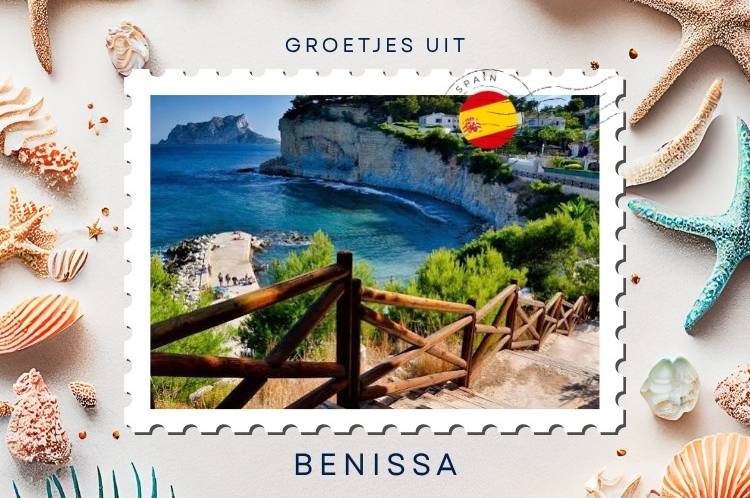
Greetings from Benissa: history, coves and Mediterranean life
Benissa lies on the northern Costa Blanca between Calpe and Moraira, but the municipality has two distinctly different sides. The historic town sits several kilometres inland, while Benissa Costa stretches along approximately four kilometres of cliffs, small coves and residential areas beside the Mediterranean.
This allows residents to choose between traditional Spanish town life, countryside living or a coastal villa.
Benissa town and Benissa Costa
Understanding this distinction is essential when looking at property.
Benissa town contains shops, schools, restaurants, healthcare and the traditional centre. Along the coast, development is much more spread out and detached villas dominate the residential landscape.
Two properties with the same Benissa address can therefore offer completely different lifestyles.
Medieval origins
Historic Benissa developed from a Muslim agricultural settlement traditionally linked with the Berber Banu-Isa clan.
Jaume I's forces reached the area in 1244, after which Christian colonisation gradually developed alongside the existing Muslim population. The Moriscos remained until their expulsion in 1609.
The historic centre still contains narrow streets, centuries-old façades, heraldic symbols and substantial town houses.
Carrer Puríssima
Carrer Puríssima provides an excellent route through Benissa's architectural history.
The street passes the site of the old church, the sixteenth-century Sala del Consell, historic houses and eventually the enormous Puríssima Xiqueta basilica.
Rather than rushing through the centre, it is worth looking at the doors, stonework and small squares along the way.
The Cathedral of the Marina
The Minor Basilica of the Puríssima Xiqueta was constructed between 1902 and 1929.
Standing around 35 metres high, its large Neo-Gothic design earned it the local nickname Catedral de la Marina.
Its towers dominate Benissa's skyline from almost every direction.
Puríssima Xiqueta
Local tradition links the patron saint to a small image supposedly left in the home of Juan Vives by two mysterious pilgrims.
Following a series of miracles attributed to the image, Puríssima Xiqueta became Benissa's patron saint in 1864.
The main annual festivities begin around the fourth Sunday in April and include processions, flower offerings, music, fireworks and mascletàs.
Grand houses and the ‘street of the rich’
Historic Calle Desamparats was traditionally nicknamed carrer dels rics — street of the rich.
Affluent families began settling here after the town expanded in the late seventeenth century, leaving a legacy of larger and more elaborate houses.
Casa Abargues and Cases del Batlle are among the buildings that preserve this side of Benissa's past.
The riberers
A very different story is represented by the riberers.
During the nineteenth and part of the twentieth centuries, labourers from Benissa walked to the Ribera del Júcar to work seasonally in the rice fields.
Their difficult journeys were essential for supplementing family incomes in an area where dry farming alone was often insufficient.
Following their old route
The PR-CV 388 Ruta dels Riberers now follows part of their historic path.
The trail passes vineyards, almond and olive groves, old rural buildings and mountain scenery.
A monument in the town also remembers these workers, while a special day remains dedicated to them during the Puríssima Xiqueta festivities.
Down to Benissa Costa
Drive towards the Mediterranean and Benissa changes completely.
Its approximately four kilometres of coastline include Les Bassetes, La Fustera, Els Pinets, La Llobella, L'Advocat and Baladrar.
Rather than long urban beaches, the coast consists mainly of small coves separated by cliffs and Mediterranean vegetation.
La Fustera
La Fustera is Benissa's principal sandy beach.
At roughly 110 metres long and 40 metres wide, it has restaurants, picnic facilities, parking, summer lifeguards and facilities for several water activities.
It is also one of the easiest places from which to begin exploring the coastline on foot.
Benissa Ecological Walk
The Paseo Ecológico follows much of the coast.
Different sections link the beaches and coves, while information panels explain the area's geology, plants, wildlife and cultural history. One main route covers around 3.5 kilometres.
For us, this is the best way to understand why Benissa Costa feels so different from the large beaches of nearby Calpe.
Els Pinets and La Llobella
Small Els Pinets offers a rocky setting from which it is possible to continue towards Mar Morta i Roques Negres.
Further along is La Llobella, described by local tourism information as the quietest and most natural of Benissa's coves.
This section of coastline is particularly attractive if you prefer nature to urban beach facilities.
L'Advocat and Baladrar
L'Advocat combines a small beach with a breakwater that shelters part of the water.
Well-preserved Posidonia meadows and rocky seabeds make it particularly attractive for snorkelling.
Further north, Baladrar is framed by rock formations and Mediterranean vegetation.
Each cove has a noticeably different character.
Les Bassetes
Towards Calpe is Les Bassetes Bay and its nautical facilities.
The ecological walk reaches the yacht club, where sailing and diving activities are available.
From here the coastline continues almost seamlessly into neighbouring Calpe.
Exploring underwater
Benissa has created six dedicated snorkelling routes, one for each of its main coastal areas.
Rock formations and Posidonia meadows support fish, octopus, sea urchins, starfish and other Mediterranean marine life.
The coastline may be short, but there is plenty to discover below the surface.
Vineyards behind the coast
Head inland and vineyards, almond trees and olive groves quickly replace villas and cliffs.
Traditional grape varieties include Muscat of Alexandria and Giró, while the local sea breeze contributes to the particular growing conditions around Benissa.
This agricultural landscape connects Benissa with the wider wine culture of the Marina Alta.
Saturday market
Benissa's weekly street market is held every Saturday morning from approximately 8am until 1:30pm.
Fresh food and produce are sold around Sant Josep, while clothing, shoes, plants and other products spread into nearby streets.
For permanent residents, it quickly becomes part of the normal weekly rhythm.
Moors and Christians
Benissa's Moors and Christians celebrations are relatively modern.
They developed during the 1970s and from 1980 became an independent annual festival centred around St Peter's Day on 29 June.
The festivities received Provincial Tourist Interest recognition in 2018.
Putxero de polp
Perhaps Benissa's most distinctive dish is putxero de polp.
Octopus is cooked with vegetables, potatoes, pulses, almonds and other ingredients, while part of the broth is used to make a separate rice dish.
It perfectly reflects Benissa's location between Mediterranean fishing traditions and rural inland cooking.
Traditional sausages and local food
Benissa is also known for artisan cured and fresh sausages.
Local butchers make botifarres, longaniza, blanquets, bufa and their own distinctive style of sobrasada.
Traditional coques, rice dishes, bull amb ceba, almond pastries and sweet-potato cakes complete the local food culture.
Living in Benissa town
The historic town suits residents who want everyday services close at hand.
Apartments and traditional town houses are mixed with schools, shops, healthcare, sports facilities and restaurants, making it easier to live without constantly getting into the car.
It is a very different proposition from a hillside villa beside the coast.
Living on Benissa Costa
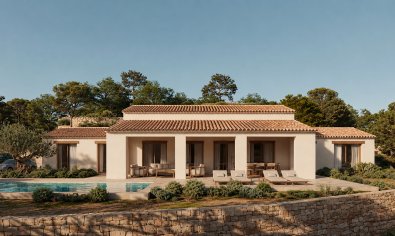
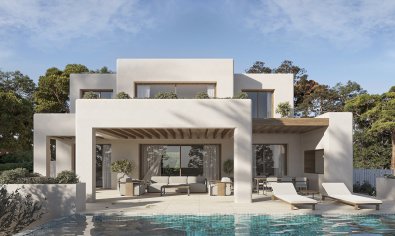
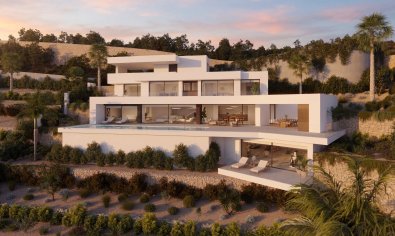
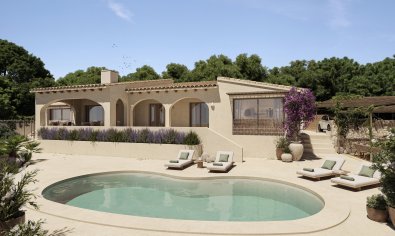
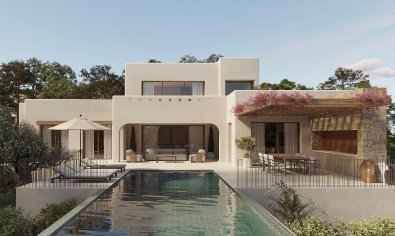
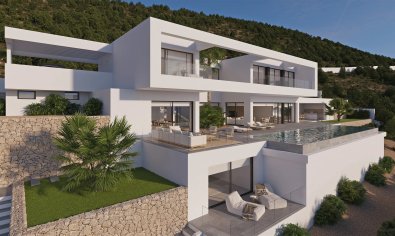
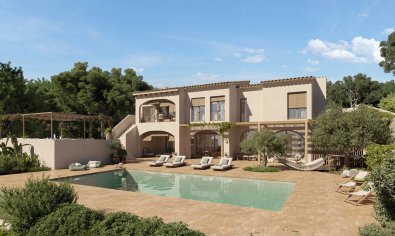
Benissa Costa is dominated by detached homes.
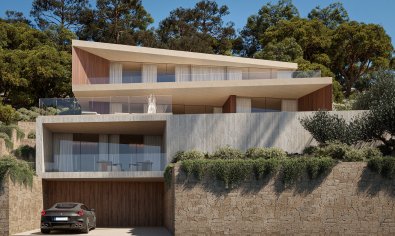
Private pools, gardens and sea or open views are common, while modern luxury villas also form an important part of the coastal property market. Current Casas Palmeras listings include large new-build villas very close to the Mediterranean.
A car is normally essential and road gradients, orientation and actual driving distance to shops deserve close attention.
Moving to Benissa
For anyone considering permanent relocation, Benissa offers an interesting balance between local and international life.
The historic centre remains strongly Spanish and Valencian, while coastal residential areas have a much larger international population.
Nearby Calpe, Moraira, Jávea and Dénia further expand the available services and lifestyle options.
Buying property in Benissa
We would begin with three choices: town, countryside or coast.
Choose the town if walking to everyday facilities is important. Look towards the countryside for land, privacy and traditional properties. Explore Benissa Costa if a private pool, villa lifestyle and proximity to the Mediterranean are the priorities.
Rural homes require particularly careful legal and planning checks, while coastal properties should be assessed for road access, slopes, orientation and winter sunshine.
Why Benissa is worth discovering
Start on Saturday morning at the market before walking along Carrer Puríssima through the historic centre. Explore the old houses, Sala del Consell and enormous Cathedral of the Marina.
Later, drive down to La Fustera and walk a section of the ecological coastal path towards the smaller coves.
Save another day for vineyards and the mountain routes inland.
A medieval Spanish centre, Mediterranean coves, vineyards, mountains and villas hidden among the greenery: Benissa has far more variety than its size suggests.
Greetings from Benissa!