

Greetings from Villena: castles, wine and authentic inland Spain
Greetings from Villena: castles, wine and authentic inland Spain
Villena lies inland in Alicante province, in the Alto Vinalopó region. It is approximately 58 kilometres from Alicante and its municipal area covers around 345 km², making it one of the largest municipalities in the province.
The scenery is completely different from the coast. Mountains, vineyards and farmland replace beaches and promenades, while the city itself has a long history as a crossroads between Spain's central plateau and the Mediterranean.
For anyone who knows Alicante mainly through its seaside resorts, Villena reveals a very different side of the province.
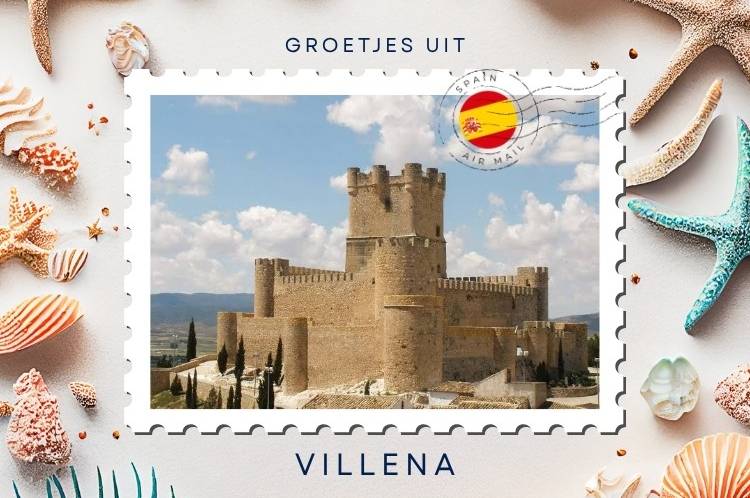
Atalaya Castle above the city
The unmistakable landmark is the Castillo de la Atalaya, standing high above Villena.
The fortress has Almohad origins and was built during the 12th century. It was subsequently enlarged during the 15th century under Juan Pacheco, the second Marquis of Villena.
From the castle there are wide views across the city and the landscape of the Alto Vinalopó.
The Muslim settlement from which historic Villena developed grew around the fortress, so the castle and city have been closely connected for centuries.
El Rabal and the old town
Below the castle is El Rabal, one of the oldest parts of Villena.
Narrower streets, small squares and traditional houses give the area a very different atmosphere from the modern city. The Church of Santa María also stands here.
From El Rabal you can continue towards Plaza Mayor and Plaza de Santiago, discovering several layers of Villena's history along the way.
Santiago Church
The impressive Archpriest Church of Santiago dominates Plaza de Santiago.
Built between the 14th and 16th centuries, it combines Gothic and Renaissance architecture. Inside, twelve twisted columns are among its most unusual features, while the baptismal font is attributed to Jacobo Florentino.
The Renaissance Town Hall and Museo Festero can also be found around the same square.
Almost ten kilos of prehistoric gold
Villena is home to an archaeological discovery of international importance.
The Treasure of Villena was discovered by José María Soler in 1963. It consists of 66 objects and contains almost ten kilograms of gold, hidden around 3,000 years ago.
Today it can be seen inside the MUVI – Villena Museum, which explores the history of the wider area from prehistory onwards.
Even visitors who rarely choose archaeological museums may find this one difficult to resist.
Cabezo Redondo
Outside the city lies Cabezo Redondo, an important Bronze Age settlement approximately 3,500 years old.
Excavations have revealed houses, ovens and a planned settlement structure. Archaeologists estimate that between 500 and 750 people may once have lived here.
It is considered one of the most significant archaeological sites in the Valencian Community and helps explain the prehistoric wealth discovered around Villena.
Ruperto Chapí and his theatre
Composer Ruperto Chapí was born in Villena in 1851 and became an important figure in Spanish zarzuela.
The current Teatro Chapí opened in 1925 and combines Neo-Mudéjar and Neoclassical architectural elements. Following extensive restoration in the 1990s, it remains an active cultural venue today.
Guided visits are also available for anyone interested in the building itself.
Moors and Christians on a huge scale
From 4 to 9 September, Villena is transformed by its famous Moros y Cristianos celebrations in honour of the Virgen de las Virtudes.
Fourteen comparsas take part, divided into seven Moorish and seven Christian groups. More than 12,000 participants can take part in the parades, making Villena's celebrations exceptional even by Valencian standards.
The festivities have held National Tourist Interest status since 2015. In 2026, Villena formally advanced the process of applying for International Tourist Interest status.
For several days, music, costumes, gunpowder and huge parades take over the streets.
La Morenica and Las Virtudes
Villena's patron is the Virgen de las Virtudes, affectionately known locally as La Morenica.
Her sanctuary stands outside the main city at Las Virtudes. The long tradition surrounding the Virgin, local pilgrimages and today's Moors and Christians celebrations remains central to Villena's identity.
Las Virtudes is also a useful starting point for exploring the surrounding countryside.
Villena is wine country
Wine is another important part of local life.
Villena belongs to the Alicante Wine Route, with Monastrell among the most characteristic grape varieties. Several wineries around the municipality offer tastings and guided visits, and the tourism office describes Villena as having the largest number of wineries of any municipality in Alicante province.
Vineyards are an important part of the surrounding landscape and make wine tourism a natural addition to a cultural visit.
Fondillón and Enotur
Villena is also associated with Fondillón, Alicante's historic wine made from Monastrell grapes.
Each year the city celebrates Enotur, combining wine with food, culture and tourism. The 2026 programme ran from 6 to 15 February and included winery visits, tastings, wine-paired menus, guided walks and other activities.
For wine enthusiasts, inland Alicante has considerably more to offer than many first-time visitors realise.
Hearty inland food
Villena's position between the Mediterranean and the Spanish plateau is reflected in its cuisine, which combines Mediterranean and Manchegan influences.
Gachamiga is made from flour, garlic, olive oil and water. Gazpacho villenero is nothing like cold Andalusian gazpacho: this is a substantial dish containing ingredients such as rabbit, chicken, mushrooms, snails and pieces of gazpacho flatbread.
Other local dishes include triguico picao, arroz y pata and pelotas de relleno, the latter traditionally associated with the Moors and Christians festivities.
Sierra de Salinas
The municipality also contains extensive natural areas.
The Sierra de Salinas is one of the most important, with pine woodland, holm oaks and a variety of wildlife. Other mountain areas include Peña Rubia, El Morrón and the Sierra de la Villa.
A network of marked trails makes it possible to explore this landscape on foot throughout much of the year.
Hiking, cycling and via ferrata
More adventurous visitors have additional options.
Villena has via ferrata routes in the Sierra de la Villa, including one passing the remains of Salvatierra Castle, an old Muslim fortification that once controlled routes through the Vinalopó.
For something gentler, the Vía Verde del Chicharra follows a former railway. The route from Las Virtudes towards Biar is approximately 15 kilometres long and is suitable for cycling or walking.
Instead of apartment blocks and beaches, the scenery here consists of vineyards, farmland and mountains.
Surprisingly well connected
Living inland does not mean living in isolation.
The A-31 provides direct road connections towards Alicante and Madrid. Alicante is approximately 58 kilometres away and Alicante-Elche Airport around 60 kilometres from Villena.
Villena also has a railway station in the city and a separate high-speed rail station, providing useful links towards cities including Madrid, Albacete and Alicante.
These connections are a significant advantage for permanent residents.
A different climate from the coast
The inland location means the seasons are noticeably more pronounced than directly beside the Mediterranean.
Summers remain hot and dry, while winter temperatures, particularly at night, can be considerably lower than on the coast.
Anyone choosing Villena should therefore do so because the inland lifestyle appeals to them rather than expecting the same climate and atmosphere as a Costa Blanca beach resort.
Living in Villena
Villena is large enough to provide most everyday services within the city itself, including shops, schools, restaurants, healthcare, sports and cultural facilities.
At the same time, you can leave the urban area and reach vineyards, farmland and open countryside within minutes.
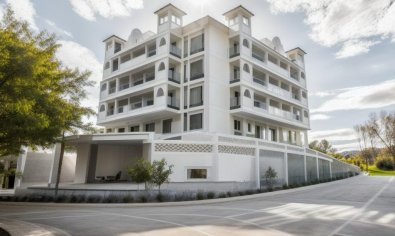
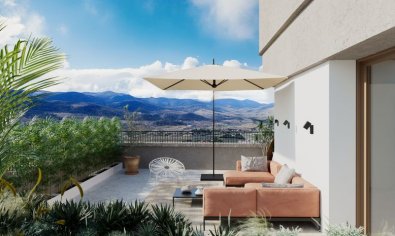
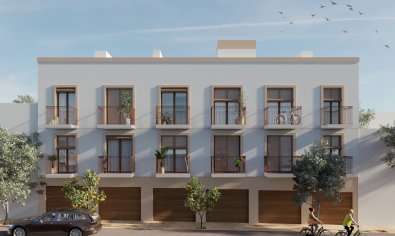
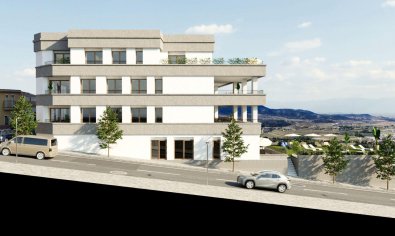
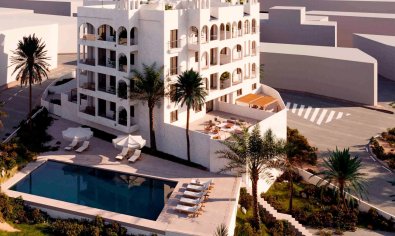
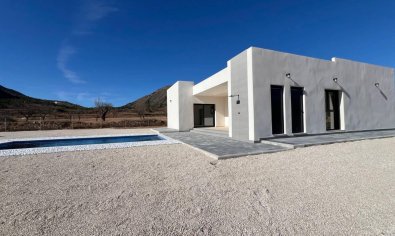
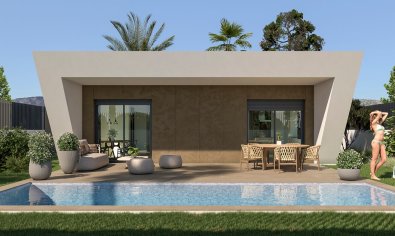
Property ranges from apartments and town homes to detached houses, villas and country properties throughout the municipality's extensive rural surroundings.
Villena or the coast?
Villena is not really an alternative version of a beach town. It offers a different lifestyle altogether.
Anyone wanting to walk to the Mediterranean every morning should look closer to the coastline. Those who prefer mountains, vineyards, history, space and a more Spanish environment may find Villena far more appealing.
It can also be interesting to compare Villena with Pinoso. Pinoso is smaller and more rural, while Villena provides the services and atmosphere of a proper inland city.
Moving to Villena
For anyone considering moving to Spain, Villena can be particularly interesting if becoming part of everyday Spanish life is important.
There are international residents, but this is very different from an international coastal development where English and Dutch may be heard constantly. Using and learning Spanish will naturally become a greater part of daily life.
In return, you gain a complete city, excellent transport connections and an enormous countryside on the doorstep.
Buying property in Villena
When buying property in Villena, the first choice is usually between town and countryside.
Apartments and urban houses provide easier access to shops and services, while the surrounding areas offer detached homes, villas and fincas with larger plots.
For rural homes in particular, careful legal checks are essential. The registered buildings, permitted land use and legal status of extensions, swimming pools and outbuildings should always be reviewed before purchasing.
Why Villena is worth discovering
Villena shows just how varied Alicante province really is.
Start at Atalaya Castle, wander through El Rabal and then see almost ten kilograms of prehistoric gold at the MUVI. Stop for gachamiga or gazpacho villenero, visit a winery in the afternoon and finish the day surrounded by vineyards and mountains.
Visit in early September and one of Spain's most impressive Moors and Christians celebrations is added to the experience.
No beach promenade or rows of palm trees, but castles, wine, archaeology, mountains and a completely different form of Spanish life.
Greetings from Villena!