

Greetings from Guardamar del Segura: where beaches and nature come together
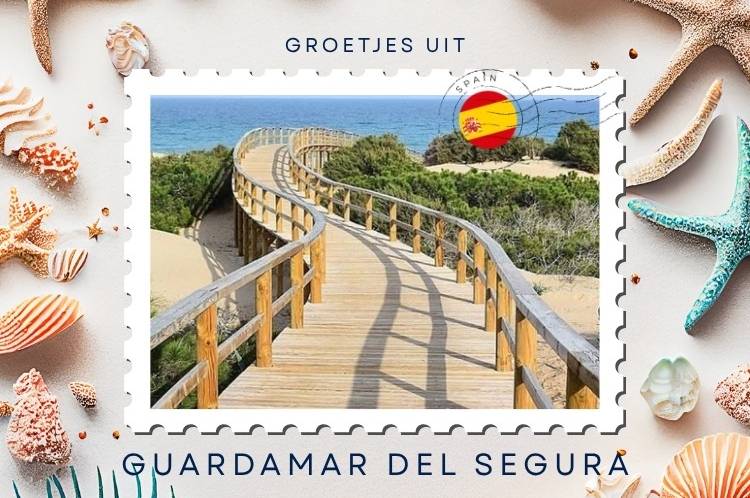
Greetings from Guardamar del Segura: where beaches and nature come together
Guardamar del Segura is one of those places where almost everything seems to be close together: kilometres of sandy beaches, dunes and pine forests, a lively Spanish town centre, restaurants and a surprising amount of greenery. And all of it directly beside the Mediterranean.
Guardamar lies on the Costa Blanca South, between Santa Pola and Torrevieja. The municipality has around 11 kilometres of fine sandy beaches, backed along much of the coastline by an impressive dune and woodland system covering approximately 800 hectares. It is this combination of beach and nature that makes Guardamar stand out from many other coastal towns.
Eleven kilometres of beaches
Beach lovers have plenty of choice. Playa Centro and La Roqueta are located beside the town and are ideal if you want to combine the beach with a promenade, restaurants and everyday facilities.
Further from the centre are beaches including El Moncaio, Els Vivers, El Camp and Les Ortigues, where the surroundings become increasingly natural. North of the mouth of the Segura River lies Els Tossals.
This means you can choose between a lively urban beach or quieter stretches of coastline surrounded by nature.
Alfonso XIII Park and the dunes
One of Guardamar's most remarkable areas is Alfonso XIII Park. The woodland you see today did not simply develop naturally. At the end of the nineteenth century, moving sand dunes were threatening to advance towards the town.
A huge reforestation project led by forestry engineer Francisco Mira y Botella stabilised the dunes. Hundreds of thousands of trees were planted over several decades, creating today's landscape of pine trees, palms, eucalyptus and paths leading towards the Mediterranean.
Walking through the forest to the beach is still one of our favourite ways to experience Guardamar.
Reina Sofía Park
Reina Sofía Park is another place we always recommend. It lies close to both the centre and the coastline and provides plenty of shade during the warmer months.
Paths wind between pine trees, ponds and children's play areas. The squirrels have even become something of a symbol of the park. It is a particularly enjoyable place for families or for an evening walk after dinner.
Guardamar Castle
Guardamar also has much more history than you might expect from a modern seaside town. The remains of Guardamar Castle stand on a hill above the town.
From here there are wide views across the Mediterranean, the mouth of the Segura River and the surrounding agricultural landscape. Different civilisations occupied this strategic site and the old walled town stood here until much of it was destroyed by the earthquakes of 1829.
Guardamar was subsequently rebuilt lower down and closer to the sea.
Phoenicians among the dunes
Even more surprising is the archaeological heritage hidden among the dunes. At La Fonteta are the remains of a Phoenician port settlement dating from the eighth to sixth centuries BC.
Nearby lies the Caliphal Rábita, an Islamic religious complex from the tenth and eleventh centuries containing a collection of prayer cells.
It is remarkable to think that so much history lies beneath the landscape now dominated by dunes and pine forest.
The Segura River and marina
The Segura River reaches the Mediterranean just north of the town centre and forms another distinctive part of Guardamar's landscape.
At its mouth is the Marina de las Dunas, combining a marina with the town's fishing activity. Water sports are available here and the local fish market is also located at the port.
The setting feels very different from the town's main promenade, with the river, sea, dunes and pine forest all meeting in one area.
Guardamar prawns and local food
Guardamar's cuisine has always been closely connected to both the sea and the fertile Vega Baja. Fishing was one of the town's traditional economic activities and fresh fish continues to arrive at the local port.
One of the best-known local products is the Guardamar king prawn, while the ñora – a small dried red pepper – is another product closely associated with the local gastronomy. The two ingredients even have their own gastronomic event.
Along the promenade and throughout the centre you will find plenty of restaurants serving fish, seafood, rice dishes and Mediterranean cuisine.
Guardamar town centre
The centre remains lively throughout the year. Supermarkets, shops, cafés, restaurants, healthcare, sports facilities and everyday services are all available locally.
From many parts of town it is also possible to walk to the beach. This makes Guardamar particularly practical for people who prefer not to use the car for every coffee, meal or shopping trip.
Summer naturally brings far more visitors, but the town does not simply shut down once the main holiday season ends.
Spanish traditions
Local festivals remain an important part of life. Moros y Cristianos is one of the major celebrations and fills the streets with parades, music and colour.
Events like these are a reminder that despite tourism and a large international community, Guardamar has retained a clear Spanish identity.
Guardamar with children
For families, Guardamar offers an excellent combination. There are the beaches, of course, but also extensive green areas and Reina Sofía Park with children's spaces and wildlife.
Torrevieja, Santa Pola, Elche and Alicante are all within easy reach as well, making it simple to alternate quiet beach days with larger family attractions and day trips.
Living in Guardamar del Segura
Living in Guardamar del Segura is particularly attractive to people who want to live directly by the Mediterranean without giving up access to nature.
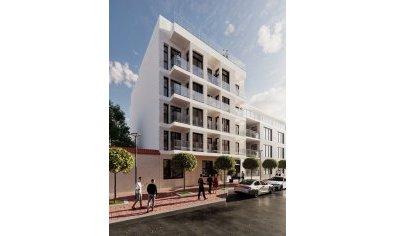
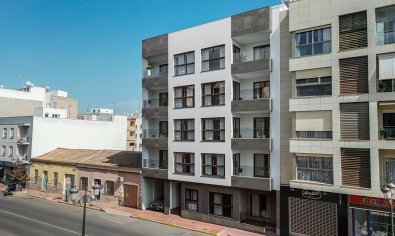
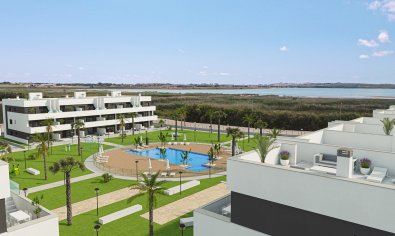
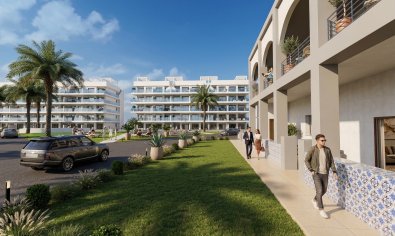
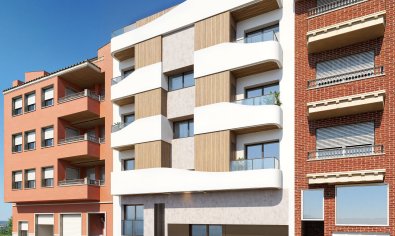
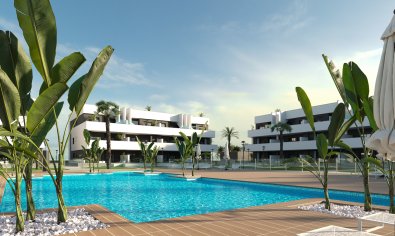
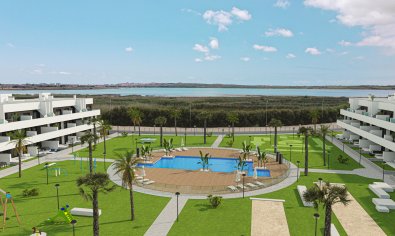
Apartments and penthouses are common in and around the centre, with sea-view properties naturally in high demand closer to the coast. Detached homes and modern residential developments can also be found in the surrounding areas, with both resale and new-build options available.
Guardamar also feels very different from larger seaside towns. It is smaller, greener and generally more relaxed while still providing the services required for permanent living.
Moving to Guardamar
For anyone considering moving to Spain, Guardamar has several strong advantages. You can live directly beside the sea in a town that functions throughout the year.
Schools, healthcare, shops, sports facilities and a substantial international community are all available.
Its location is equally practical, with Rojales, Ciudad Quesada and Torrevieja nearby and Alicante-Elche Airport within convenient driving distance.
Buying property in Guardamar del Segura
If you are looking to buy property in Guardamar del Segura, it is worth deciding first what matters most to you. Do you want to walk everywhere? Live as close to the beach as possible? Have sea views? Or would you prefer a quieter position outside the centre?
A town-centre apartment offers a completely different lifestyle from a home beside the dunes or a modern development slightly further inland.
That is why we look not only at the property itself, but also at how you actually want to live in Spain.
Why we find Guardamar so special
Guardamar offers something relatively unusual along this coastline: a huge amount of nature immediately beside the town.
You can start the morning with coffee in the centre, walk through the pine forest to the beach, have lunch on the promenade and return through Reina Sofía Park. Or head towards the mouth of the Segura and watch the fishing boats arrive at the port.
Beach, nature and everyday Spanish life sit almost side by side here.
And that is exactly why Guardamar del Segura remains one of those places we enjoy returning to ourselves.
Greetings from Guardamar del Segura!