



Greetings from Crevillent: nature, traditions and authentic Spanish life
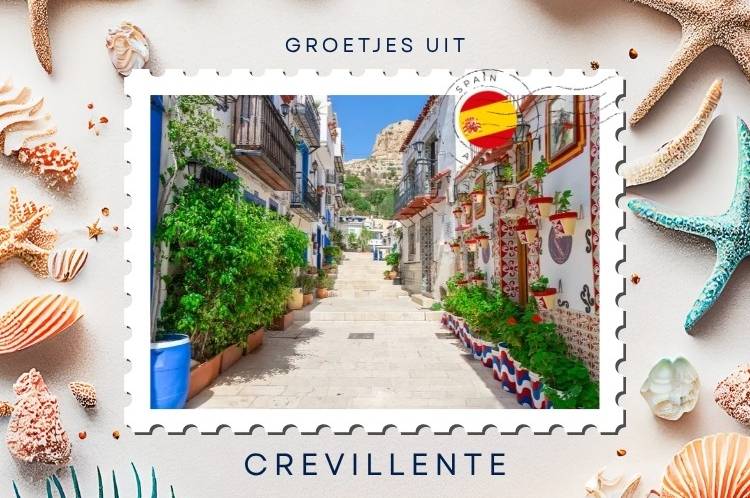
Greetings from Crevillent: nature, traditions and authentic Spanish life
Crevillent lies in the south of Alicante province, between Elche and the Murcia region. It is a place many people simply pass on their way towards the beaches of the Costa Blanca, but behind that first impression is a town with a surprising amount of history, nature and local character.
Sitting at the foot of the Sierra de Crevillent, the town combines everyday Spanish life with mountains, natural areas and agricultural land. Elche, Alicante, the airport and the beaches around Guardamar and Santa Pola all remain within easy reach.
A town with a character of its own
Crevillent is very different from a typical coastal resort. Its centre has narrow streets, squares, local shops and older neighbourhoods where the town's history can still be seen.
A walk through the Villa Vella, the oldest part of Crevillent, reveals sections of the original urban layout with clear Islamic influences. Some streets are remarkably narrow and lined with traditional low-rise houses, balconies and flowerpots.
Everyday life continues here throughout the year, providing a completely different experience from the holiday developments closer to the Mediterranean.
Crevillent: the city of carpets
One of the most distinctive parts of Crevillent's history is its carpet industry. The town has long been known as the City of Carpets.
Its origins go back centuries. Craftwork using esparto grass and reeds was already recorded in the 15th century, eventually developing into carpet production using first manual and later mechanical looms. During the 1980s and 1990s, around 90% of Spain's carpet production was concentrated in Crevillent.
Reminders of this industrial heritage can still be found around town. One example is the El Xiquet Menaó sculpture, which remembers the children who once carried out one of the difficult tasks involved in traditional carpet production.
The cave houses
Another unusual feature is Crevillent's traditional cave houses, which were excavated into hillside areas around the town.
They form part of the way Crevillent historically developed around its uneven terrain and remain associated with the character of some of its older neighbourhoods.
They provide a very different style of architecture from the modern developments found closer to the coast.
Sierra de Crevillent
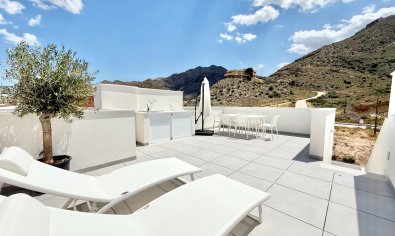
For anyone who enjoys the outdoors, the Sierra de Crevillent begins virtually on the edge of town. Ravines, caves, rocky folds, walking trails and natural viewpoints create a rugged Mediterranean landscape.
Parts of the Sierra belong to the Natura 2000 network and provide important habitats for several bird species. Official walking routes include PR-V 108, PR-V 109 and PR-V 110, connecting with the GR-330 long-distance trail through inland Alicante.
From the higher areas, the contrast between mountains, the plains of southern Alicante and the distant Mediterranean becomes particularly clear.
San Cayetano
The area around San Cayetano is a good starting point for exploring the mountains. Its hermitage lies at the foot of El Picatxo and several walking routes begin nearby.
The surrounding landscape is distinctly Mediterranean, with views stretching towards the El Hondo natural area from parts of the higher ground.
El Hondo Natural Park
On the other side of Crevillent the landscape changes completely. El Hondo Natural Park consists of reservoirs, lagoons and wetlands and is one of the most important wetland environments in the Valencian Community.
Its ecological importance is particularly connected to its biodiversity and large variety of birdlife.
This means you can move from dry mountain scenery to a water-rich wetland landscape within a relatively short distance.
Semana Santa in Crevillent
Traditions remain extremely important in the town. Semana Santa in Crevillent has origins dating back to the 17th century and has been declared a Festival of International Tourist Interest.
Processions, religious sculptures, music and local customs fill the streets in the days leading up to Easter. The narrow streets of the historic centre provide a particularly atmospheric setting for the evening processions.
Music also forms an important part of Crevillent's identity, with local choirs and musical groups participating in the celebrations.
Moros y Cristianos
The Moros y Cristianos celebrations are another major event. The festivities in their modern form began in 1965 and have held International Tourist Interest status since 2017.
Large parades, elaborate costumes, music and the different comparsas fill the streets with colour.
Art and museums
Crevillent also has an interesting cultural side. One of its best-known museums is the Mariano Benlliure Municipal Museum, dedicated to the work and legacy of renowned Valencian sculptor Mariano Benlliure.
It makes an interesting addition to a day spent exploring the historic centre.
Food in Crevillent
Local food reflects the traditions of inland Alicante. Rice dishes are particularly important, including rice with rabbit and snails, vegetable rice and arròs caldós.
Gachamiga and cocido con pelotas are other traditional dishes. Semana Santa also has its own culinary traditions, including Pa Torrat, cod, roasted garlic, broad beans and traditional Crevillent cocas from local bakeries.
Taking the time for a proper Spanish lunch is therefore an essential part of discovering the town.
Conveniently located near Elche and the coast
Crevillent is approximately 9 kilometres from Elche, 23 kilometres from Alicante-Elche Airport, 32 kilometres from Alicante city and around 25 kilometres from Guardamar del Segura.
You are clearly living inland, but the Mediterranean is never particularly far away. Good connections via the A-7 also make travelling towards Alicante and Murcia straightforward.
Living in Crevillent
Living in Crevillent provides a very different experience from a popular seaside resort. Everyday life revolves much more around the local community, schools, work, shops and Spanish traditions.
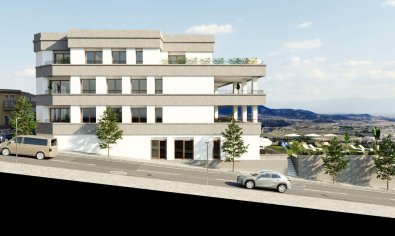
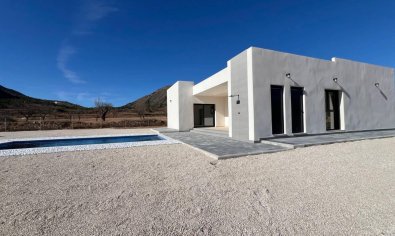
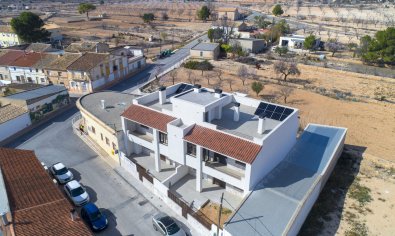
Apartments and traditional homes are common in the centre, while detached houses and rural properties with more land can be found further outside town.
This can make Crevillent interesting for people who want to remain close to Elche and Alicante while avoiding a heavily tourist-oriented coastal environment.
Moving to Crevillent
For anyone considering moving to Spain, Crevillent may appeal if living in a genuinely Spanish environment is important.
The town provides shops, schools, restaurants, sports facilities and everyday services, while larger cities and the coastline remain within reach. A car is particularly useful if you choose to live outside the centre.
Buying property in Crevillent
Property around Crevillent ranges from apartments and traditional townhouses to detached villas, country houses and fincas on large plots.
When buying rural property, it is especially important to check the planning and legal status of all buildings on the land before committing to a purchase.
If you would like to broaden your search, take a look at our information about buying property on the Costa Blanca.
Why Crevillent is worth discovering
Crevillent may not be the first destination that appears on a typical Costa Blanca holiday list, and that is exactly part of its appeal.
Spend the morning walking in the Sierra, have coffee in town, discover the historic neighbourhoods and Crevillent's carpet-making heritage and finish with a long Spanish lunch. Or head towards El Hondo and experience a completely different natural landscape only a short distance away.
Crevillent is a good reminder that southern Alicante offers far more than beaches and seafront promenades.
Greetings from Crevillent!