

Spain's most beautiful Costa's - Sunshine inspiration for your next trip
Spain's Most Beautiful Coasts – Which Spanish Coast Is Right for You?
Spain has thousands of kilometers of coastline, and the various coastal regions are often referred to as Costas. Each Costa has its own landscape, climate, cities, beaches, and way of life.
One region is known for its long sandy beaches and international beach resorts, while the other is known for its rugged mountains, smaller fishing villages, or a more traditional Spanish character.
If you’re just visiting Spain on vacation, you can easily choose a destination based on the beach and the atmosphere. But if you’re looking for a second home in Spain or want to move to Spain permanently, factors such as accessibility, amenities, healthcare, housing prices, and life outside the high season also become important.
In this guide, we compare five well-known Spanish "Costas":
- Costa Blanca
- Costa Dorada
- Costa del Sol
- Costa Tropical
- Azahar Coast
1. Costa Blanca – beaches, international communities, and plenty of variety
The Costa Blanca is located in the province of Alicante and is one of Spain's best-known coastal regions.
The landscape varies considerably between the north and the south.
On the Costa Blanca South, you'll find long sandy beaches, salt lakes, and relatively flat residential areas around Torrevieja, Guardamar del Segura, Ciudad Quesada, Rojales, and Orihuela Costa, among other places.
The Northern Costa Blanca is hillier and more rugged. It is home to towns such as Benidorm, Altea, Calpe, Moraira, Jávea, and Dénia.
What makes the Costa Blanca special?
The Costa Blanca is particularly attractive because of the combination of:
- long sandy beaches;
- plenty of sunshine;
- large international community;
- easy access via Alicante-Elche Airport;
- comprehensive medical facilities;
- many golf courses;
- nature areas;
- and a very diverse selection of homes.
For Dutch and Belgian citizens who want to buy a home in Spain, it is also one of the most accessible regions because there is already a large international community there.
Alicante
Alicante combines the charm of a traditional Spanish city with a beach.
Well-known places include:
- Santa Bárbara Castle;
- Explanada de España;
- Playa del Postiguet;
- old town;
- port;
- and the shopping streets around Avenida Maisonnave.
As a result, Alicante may be an attractive option for people who want to live by the sea but not in a typical beach town.
Benidorm
Benidorm is probably the best-known beach resort on the Costa Blanca.
The high-rise buildings and lively beaches are striking, but Benidorm also has a historic center and is located near mountains and nature.
For families, there are also large amusement parks in the area, such as Terra Mítica, Aqualandia, Mundomar, and Terra Natura.
Check out our guide to kid-friendly activities on the Costa Blanca for more family outings.
Altea
Altea has a completely different look.
The old town is nestled against a hill and consists of white houses, narrow streets, arcades, and the famous church with blue domes.
For people looking for charm, scenic views, and a somewhat quieter living environment, Altea may be an attractive option.
Elche and the Palmeral
Elche is also part of the province of Alicante.
The city isn't located directly on the coast, but it's easy to visit as a day trip from many places.
The famous Palmeral de Elche is listed as a UNESCO World Heritage Site and is one of the region's most remarkable cultural landscapes.
Nature on the Costa Blanca
The Costa Blanca offers plenty of options for nature and hiking.
Consider:
- Serra Gelada;
- Peñón de Ifach;
- Montgó
- Sierra de Bernia;
- the salt lakes of Torrevieja and La Mata;
- El Recorral;
- Guardamar Dunes;
- and the inland area around Guadalest.
You can find more inspiration in our guide to hiking and biking on the Costa Blanca.
Who is the Costa Blanca best suited for?
The Costa Blanca is of interest to:
- families;
- retirees;
- winter visitors;
- golfers;
- active vacationers;
- people who want to emigrate permanently;
- and second-home buyers.
Anyone seriously considering moving to this region can also read our guide to the best places to live on the Costa Blanca.
2. Costa Dorada – Golden Beaches and Catalan Culture
The Costa Dorada, known in Catalan as Costa Daurada, is located largely in the province of Tarragona.
The name literally means Golden Coast and refers to the color of the sand.
Here you'll find a mix of wide beaches, historic cities, fishing villages, and major family attractions.
Popular destinations include:
- Tarragona
- Salou;
- Cambrils
- La Pineda;
- Highland
- and several smaller coastal towns.
Tarragona
Tarragona is one of the most important historic cities on this coast.
In Roman times, the city was known as Tarraco and played an important role on the Iberian Peninsula.
Today, you can still find several Roman monuments there, including:
- amphitheater;
- city walls;
- archaeological remains;
- and other historic buildings.
For people who want to combine the beach with history, Tarragona is therefore an interesting destination.
Salou
Salou is actually much more geared toward tourism and families.
The town has long sandy beaches, a boardwalk, restaurants and bars, and plenty of vacation accommodations.
The large PortAventura World is located nearby, making the area popular with families with children.
Cambrils
Cambrils is quieter than Salou and has stronger ties to fishing and gastronomy.
The harbor, restaurants, and beaches give the town a more relaxed atmosphere.
For families and people who prefer not to stay in the heart of a large tourist beach town, Cambrils may be more appealing than Salou.
PortAventura World
For families, PortAventura World is one of the region's most famous attractions.
The resort consists of several amusement and theme parks and attracts visitors from all over Europe.
Anyone vacationing with children on the Costa Dorada can easily spend one or more days here.
Ebro Delta
South of the main coastal tourist area lies the Ebro Delta.
This landscape consists of:
- wetlands;
- rice paddies;
- fell apart;
- the beach;
- and bird sanctuaries.
For nature lovers, this stands in stark contrast to the beach resorts around Salou.
Birdwatching and biking are especially popular there.
Cuisine on the Costa Dorada
The cuisine combines seafood, rice, and Catalan specialties.
Among other things, you'll find:
- screw;
- seafood;
- rice dishes;
- Romesco;
- and local wines.
The nearby wine regions also make the Costa Dorada an attractive destination for gastronomic day trips.
Who is the Costa Dorada best suited for?
This coastline is particularly interesting for:
- families;
- culture lovers;
- beach vacationers;
- people who enjoy exploring Catalan cities;
- and visitors who want to combine a trip to Barcelona with a beach vacation.
3. Costa del Sol – cities, luxury, golf, and Andalusian charm
The Costa del Sol is located in Andalusia, primarily in the province of Málaga.
The coast stretches along well-known places such as:
- Málaga
- Torremolinos;
- Benalmádena;
- Fuengirola;
- Mijas;
- Marbella;
- Estepona;
- and continue on toward Sotogrande.
The area combines beaches with Andalusian culture, golf, marinas, nightlife, and luxury housing.
Málaga
Málaga is much more than just the airport where many vacationers arrive.
The city has:
- Fortress
- Roman Theater;
- cathedral;
- Picasso Museum;
- historic center;
- port;
- the beach;
- and large shopping districts.
That's why Málaga is an attractive option for people who want to live in an urban setting without giving up the sea.
Marbella
Marbella is internationally renowned for its luxury, golf, and high-end homes.
However, the historic center has a completely different atmosphere than the marinas and villa developments.
Here you'll find white Andalusian houses, squares, and narrow streets.
Puerto Banús
For luxury shopping and a marina atmosphere, Puerto Banús is one of the most famous spots on the Costa del Sol.
There you'll find designer shops, restaurants, luxury yachts, and exclusive apartments.
You can find more shopping options in our guide to shopping on the Costa del Sol.
Estepona
Estepona has become an attractive place to live, with a colorful historic center, a boardwalk, a harbor, and beaches.
In many ways, it feels more intimate than Marbella.
That's why Estepona is often chosen by people who want the amenities of the Costa del Sol but are looking for a slightly less crowded atmosphere.
Benalmádena in Fuengirola
Benalmádena and Fuengirola have a strong international focus.
Both have beaches, train connections to Málaga, restaurants and bars, and plenty of amenities.
These are interesting areas for people who don't want to be completely dependent on a car.
Mijas
Mijas consists of several residential areas.
Mijas Pueblo is nestled against the mountainside and has a traditional Andalusian character.
As you head toward La Cala de Mijas, the landscape gives way to the coast and modern residential neighborhoods.
As a result, a single municipality offers a wide variety of housing options.
Golf on the Costa del Sol
The Costa del Sol is sometimes referred to as the Costa del Golf because of its large number of golf courses.
For golfers, the areas around:
- Marbella;
- Benahavís;
- Estepona;
- Mijas;
- in Sotogrande
Interesting.
This also affects the housing market, because many residential developments have been built around golf courses.
Day Trip to Granada
You can take a day trip to Granada from various parts of the Costa del Sol.
The world-famous Alhambra is one of Spain's most important historical monuments.
Please keep in mind that tickets often need to be reserved well in advance.
Cuisine on the Costa del Sol
Along the coast, espetos de sardinas are one of the best-known specialties.
In this dish, sardines are grilled on a skewer over an open fire, often in a boat-shaped barbecue on or near the beach.
Tapas, fish, seafood, and Andalusian dishes are, of course, widely available everywhere.
Who is the Costa del Sol best suited for?
The Costa del Sol may be of interest to:
- luxury homebuyers;
- golfers;
- urban bon vivants;
- families;
- expatriates
- entrepreneurs;
- and people who value having a wide range of amenities.
Anyone considering living here can check out our general page on living on the Costa del Sol.
4. Costa Tropical – mountains, subtropical agriculture, and small coastal towns
The Costa Tropical is located in the province of Granada, between the Costa del Sol and the coast of Almería.
This coastline is much shorter than the Costa Blanca or the Costa del Sol.
The name refers to the relatively mild microclimate that allows subtropical crops to grow in the area.
For example, you'll see:
- avocado;
- Mango;
- cherimoya;
- and other subtropical fruits.
The landscape is characterized by mountains that lie close to the Mediterranean Sea.
Almuñécar
Almuñécar is one of the most important towns on the Costa Tropical.
The city has a long history dating back to the Phoenician and Roman periods.
Among other things, you'll find:
- San Miguel Castle;
- old town;
- the beach;
- botanical vegetation;
- and archaeological remains.
Almuñécar is lively enough for year-round living, but it definitely feels smaller than Málaga or Alicante.
La Herradura
La Herradura is situated on a curved bay surrounded by mountains.
The area is popular for:
- diving;
- snorkeling;
- water sports;
- and hiking.
Because of its sheltered location, the bay has a completely different character than the long, open sandy beaches of, for example, the Southern Costa Blanca.
Salobreña
Salobreña is also typical of the Costa Tropical.
The white village lies at the foot of a hill with a castle at the top.
These include agricultural areas and the coast.
The contrast between the white mountain village, subtropical agriculture, and the sea makes Salobreña one of the most distinctive landscapes along this coast.
Motril
Motril is the largest city on the Costa Tropical.
The town is located slightly inland and has more everyday amenities than the smaller coastal towns.
As a result, Motril may be a more practical choice for permanent residence than a beach town that’s purely tourist-oriented.
The Caves of Nerja
The famous Cuevas de Nerja are not officially located on the Costa Tropical but in the province of Málaga, on the eastern Costa del Sol.
However, from Almuñécar and La Herradura, they're close enough for an easy day trip.
The caves are famous for their enormous underground chambers and impressive rock formations.
Granada in the Sierra Nevada
A major advantage of the Costa Tropical is its location relative to Granada and the Sierra Nevada.
From the coast, it's relatively easy to head toward:
- Granada
- Alhambra;
- Alpujarras;
- in Sierra Nevada
This gives the region a unique combination of sea and mountains.
Who is the Costa Tropical best suited for?
This coastline may be of interest to people who:
- want to live in a smaller setting;
- want mountains nearby;
- value nature;
- look for smaller international urban developments;
- and would like to live near Granada.
5. Costa del Azahar – a more laid-back coastal lifestyle in Castellón
The Costa del Azahar is located primarily in the province of Castellón, north of Valencia.
The name means Orange Blossom Coast and refers to the citrus cultivation in this part of the Valencian Community.
Compared to the Costa Blanca and the Costa del Sol, this coastline is less international in many areas and less developed for foreign homebuyers.
That might actually appeal to people who are looking for a more traditional Spanish living environment.
Castellón de la Plana
Castellón de la Plana is the provincial capital.
It's not your typical tourist beach town, but a genuine Spanish city.
The coast is located near El Grao de Castellón, where the harbor and beaches are located.
For permanent residents, the city offers many everyday amenities.
Oropesa del Mar
Oropesa del Mar has several sandy beaches and vacation areas.
Playa de la Concha is one of the most famous beaches.
The area attracts many Spanish vacationers in the summer.
Benicàssim
Benicàssim combines beaches with a vibrant cultural scene.
Among other things, the town is known for its music festivals and historic villas along the coast.
For people who want to stay close to Valencia and Castellón but still live by the sea, this could be an attractive location.
Peñíscola
Further north lies Peñíscola, one of the most beautiful historic coastal towns in this part of Spain.
The old walled town center is situated on a rocky headland with a castle at the top.
That's why Peñíscola isn't just a beach destination, but also an interesting cultural day trip.
Irta Mountain Range
For nature lovers, Parque Natural de la Serra d’Irta is one of the most interesting places on the Costa del Azahar.
Here, a pristine mountain range runs almost directly along the coast.
There you'll find hiking and biking trails, small coves, and far fewer buildings than along some of Spain's better-known coastal stretches.
Who is the Costa del Azahar best suited for?
This region may be of interest to:
- people looking for peace and quiet;
- hikers;
- cyclists;
- lovers of Spanish cities;
- people who want to be relatively close to Valencia;
- and homebuyers who place less importance on a large expat community.
Which Costa is the warmest?
There's no single, simple answer to that.
The Spanish coast has significant local variations in climate.
Generally speaking, the southern regions of the Costa del Sol and the Costa Tropical have mild winters, while the southern Costa Blanca is also known for its relatively mild and dry climate.
But even within a single Costa, elevation, distance from the sea, and wind can make a big difference.
Anyone looking for a home for permanent residence or to spend the winter there should therefore not base their decision solely on average annual temperatures.
Which part of the Costa has the most beautiful beaches?
That depends on what you like.
For long sandy beaches, for example, the southern Costa Blanca, the Costa Dorada, and parts of the Costa del Sol are attractive destinations.
For small coves and rocky coastlines, you'll find plenty of options along the Northern Costa Blanca and the Costa Tropical.
If you're looking for a combination of beaches and unspoiled nature, the Costa del Azahar might be worth considering.
Which Costa is best for families?
For families, regions with plenty of amenities are particularly appealing.
For example, the Costa Blanca has:
- the beach;
- water parks;
- amusement parks;
- zoos;
- international facilities;
- and many residential areas that are active year-round.
Check out our guide to fun activities for kids on the Costa Blanca.
The Costa Dorada is also very family-friendly, thanks in part to PortAventura.
The Costa del Sol also offers many amenities and international schools.
Which Costa is best for retirees?
For people who want to retire in Spain, other factors are important.
Consider:
- health care;
- airport;
- facilities;
- accessibility;
- winter climate;
- flat or hilly terrain;
- and the international community.
As a result, the Costa Blanca and Costa del Sol are popular among retirees from Northern Europe.
Those who prefer a less international lifestyle may find a quieter coast more appealing.
Which part of the Costa is good for hiking and biking?
For mountains and challenging bike routes, the Northern Costa Blanca and the areas inland from the Costa del Sol are particularly interesting.
On the Costa Blanca, for example, you'll find:
- Montgó
- Sierra de Bernia;
- Coll de Rates;
- Aitana;
- Mount Campana
- at Peñón de Ifach.
Those who prefer to cycle on flat terrain may find the Southern Costa Blanca more appealing.
Read more in our guide to hiking and biking on the Costa Blanca.
Which Costa is best for golfers?
The Costa del Sol offers an exceptionally wide variety of golf courses.
However, the Costa Blanca also has many golf courses.
On the southern Costa Blanca, for example, there are courses in the vicinity of:
- Ciudad Quesada;
- Algorfa
- Villamartín
- Campoamor;
- Beautiful view
- in Las Colinas.
So, anyone looking for a home specifically for golf has plenty of options in both regions.
Which Costa has the largest international community?
The Costa Blanca and Costa del Sol, in particular, have large international communities.
You can tell by:
- international schools;
- foreign supermarkets;
- Services in Dutch;
- international hospitality industry;
- and many foreign homeowners.
For people who are emigrating to Spain for the first time, this can make the transition easier.
Which Costa is the most Spanish?
That's a difficult question to answer in general terms.
Even in highly international coastal areas, you’ll find places with a distinctly Spanish character.
On the Costa Blanca, for example, you can compare the internationally oriented Ciudad Quesada with a more traditional village like Rojales or Los Montesinos.
On the Costa del Sol, Marbella is completely different from an Andalusian mountain village a little further inland.
So if you want to live in a more authentic way, you don't necessarily have to rule out a Costa home entirely.
Costa Blanca or Costa del Sol?
This is probably one of the most interesting comparisons for foreign homebuyers.
The Costa Blanca offers, on average, a vast selection of homes, many international communities, and both flat and mountainous areas.
The Costa del Sol has a stronger luxury market, plenty of golf courses, major international amenities, and well-known towns such as Málaga, Marbella, and Estepona.
Ultimately, which area you choose depends mainly on:
- budget;
- housing type;
- climate preference;
- air service;
- landscape;
- desired living environment;
- and daily life.
To learn more, check out our information on both the Costa Blanca and the Costa del Sol.
Costa Blanca or Costa Cálida?
If you're interested in the southern Costa Blanca, you might also want to check out the Costa Cálida.
This coastline is located directly south of the province of Alicante, in the region of Murcia.
As a result, places like San Pedro del Pinatar, Los Alcázares, and Cartagena are relatively close to Orihuela Costa and Pilar de la Horadada.
For people looking for a home, the price level and housing supply may be slightly different.
So it’s wise not to automatically stop your search at a provincial border.
Which Costa fits your housing budget?
The differences in home prices within a single Costa are often greater than the differences between two Costas.
For example, an apartment in the heart of Marbella is not comparable to a home in a village inland.
The same applies to a villa in Altea Hills versus an apartment in Torrevieja.
So, first determine:
- maximum budget;
- number of bedrooms needed;
- housing type;
- distance from the sea;
- primary or secondary residence;
- new construction or existing buildings;
- and desired amenities.
Only then will it become clear which region is truly right for you.
To do so, check out the current listings of homes for sale in Spain.
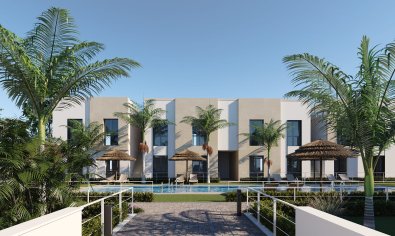
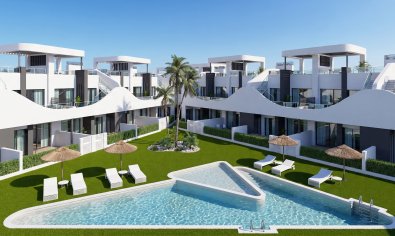
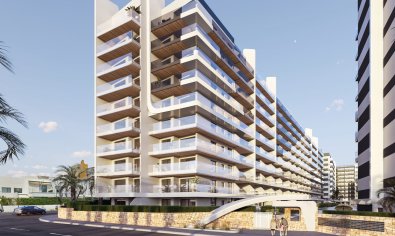
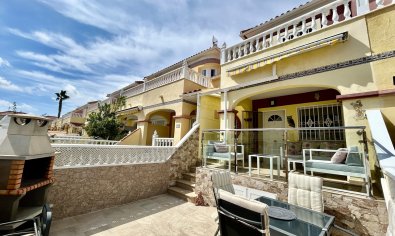
New Construction on the Spanish Coast
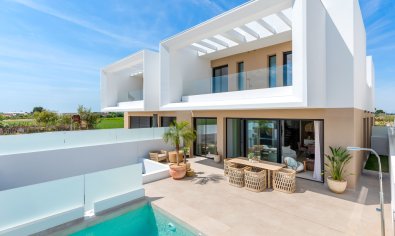
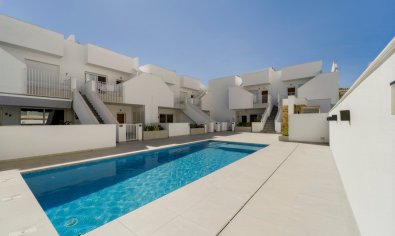
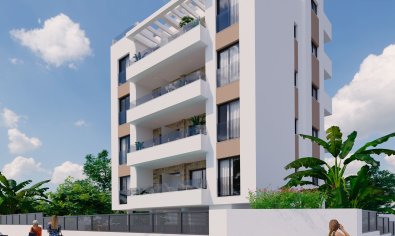
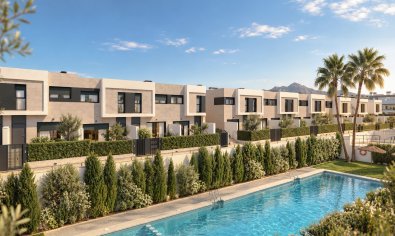
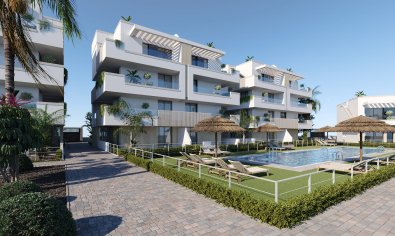
A lot of new construction is taking place along various Spanish coastal areas.
There is a wide selection, especially on the Costa Blanca and the Costa del Sol.
New construction ranges from:
- apartments;
- penthouses;
- bungalows;
- townhouses;
- row houses;
- to detached villas.
Be sure to check out our current new construction projects as well.
A second home on the Spanish coast
Different factors are important for a second home than for a primary residence.
For example:
- flight distance;
- maintenance;
- communal swimming pool;
- security;
- management in the event of absence;
- distance to the beach;
- and restaurants in the area.
An apartment in a residential complex may therefore be more practical than a large villa if you're only there for a few weeks a year.
Living Permanently on a Spanish Coast
Anyone who moves to Spain permanently needs to look far beyond that vacation feeling.
That's when things like the following become important:
- hospital;
- family doctor;
- schools;
- supermarket;
- public transportation;
- winter activities;
- social interactions;
- and accessibility.
Be sure to also read our information on health care in Spain, NIE and residencia, and our emigration checklist.
First, choose the region; then, choose the home
Many people looking for a home start by looking at photos of houses.
Still, it might be smarter to first decide where you actually want to live.
Visit various coastal towns and ask yourself:
- Would you like a city or a town?
- Flat or hilly?
- International or Spanish?
- A beach within walking distance, or would you prefer more space?
- Lively or calm?
- Is there a golf course nearby?
- Would you like to be able to live without a car?
- And how important is an airport?
Only then does the search for the right home become much easier.
Buying a Home on the Spanish Coast with Casas Palmeras
Casas Palmeras assists Dutch and Belgian buyers with buying a home in Spain.
We operate in several coastal regions of Spain, which allows us to look beyond a single location or a single type of home.
View our current listings, the available new construction projects, or learn more about our approach.
Are you still trying to decide between, for example, the Costa Blanca, Costa Cálida, and Costa del Sol? If so, we can help you explore the differences based on your budget, housing preferences, and plans.
To do so, please fill out our questionnaire for your home search or feel free to contact Casas Palmeras.
There isn’t really such a thing as “the most beautiful Costa in Spain.” The best choice depends on what you’re looking for. The Costa Blanca offers tremendous variety and a large international community; the Costa Dorada combines beaches with Catalan culture; the Costa del Sol offers luxury and Andalusian vibrancy; the Costa Tropical is more intimate and mountainous; and the Costa del Azahar offers a quieter Spanish coastal lifestyle. Those who look not only at the beach but especially at their daily lifestyle will ultimately find the Costa that truly suits them.