

Greetings from Torrox: white village, beaches and Roman history
Greetings from Torrox: white village, beaches and Roman history
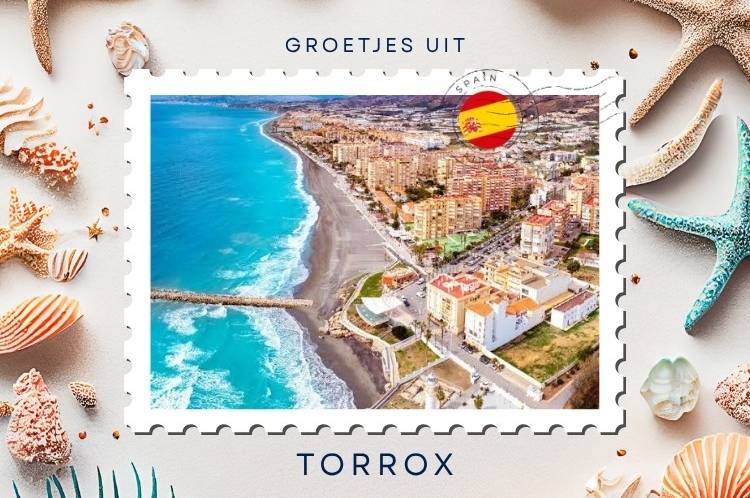
Torrox lies on the eastern Costa del Sol in Málaga's Axarquía, between Nerja and Vélez-Málaga. Yet “Torrox” describes several very different places. Torrox Pueblo sits inland among the hills, Torrox Costa stretches along the Mediterranean and El Morche forms another established coastal community further west.
Living here can therefore mean a traditional white village house, an apartment beside the promenade or a rural finca surrounded by subtropical agriculture.
Costa del Sol with Casas Palmeras
Village and coast
The original Torrox Pueblo lies several kilometres inland and retains many characteristics associated with the white villages of the Axarquía.
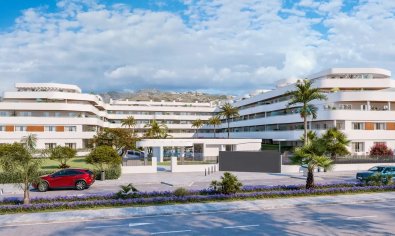
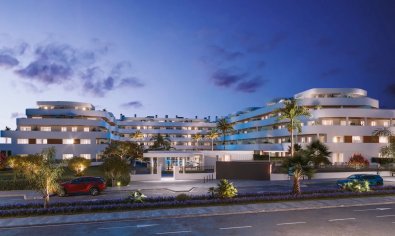
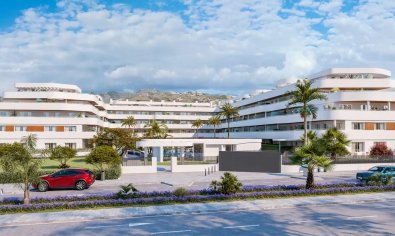
Torrox Costa developed much more strongly through modern tourism and residential construction, creating an environment of apartments, hotels, urbanisations and coastal services.
The two areas can feel like completely different towns despite sharing the same municipality.
Roman Torrox
Torrox's history begins long before its Moorish white streets.
At Punta de Torrox, beside the modern lighthouse, archaeological remains belong to the Roman settlement generally known as Caviclum or Clavicum. They include a fish-processing factory, baths, a cemetery and pottery-production facilities.
The settlement grew from the first century and reached particular prosperity during the fourth and fifth centuries.
Garum beside today's promenade
The coastal factory processed and preserved fish and was associated with products including garum, the fermented fish sauce highly prized throughout the Roman world.
Part of the industrial area was later reused as a necropolis.
Today all of this sits remarkably close to apartment buildings, beachgoers and the modern seafront.
Torrox Lighthouse
The present Faro de Torrox was completed in 1864.
In the early twentieth century lighthouse keeper Tomás García Ruiz began excavating the surrounding ground, helping to reveal the extensive Roman archaeology.
A local interpretation centre now explains the Roman settlement, baths, fish-processing areas and pottery complex.
It is an unusual combination: archaeology, lighthouse, beach and promenade in a single stop.
Historic Torrox Pueblo
Back in the village, Plaza de la Constitución provides the natural starting point.
Narrow streets rise and fall around the square, preserving the irregular layout typical of Andalusian settlements shaped during the Islamic period.
Colourful umbrellas suspended above the square have become one of the municipality's most recognisable modern images.
Nuestra Señora de las Nieves Convent
The historic Convento de Nuestra Señora de las Nieves is among Torrox Pueblo's principal monuments.
The church and former convent received Bien de Interés Cultural protection in 2006. Historic timber roofing, chapels and decorative elements survive inside the complex.
It provides a reminder that Torrox Pueblo has a substantial historic identity entirely separate from its modern beaches.
Why the main fair is in October
The patron saints are Virgen de las Nieves and San Roque, whose actual feast falls on 5 August.
Historically, however, many residents spent summer away in rural properties working the harvest and did not return until late September. Torrox therefore moved its principal fair to October.
In 2026, Torrox Fair runs from 1 to 5 October.
The date is a living reminder of the village's agricultural past.
Fiesta de las Migas
December brings Torrox's best-known food celebration.
The Fiesta de las Migas takes place on the Sunday before Christmas and is officially recognised for its tourism and cultural importance in Andalusia.
The tradition recalls agricultural workers in vineyards and olive groves who stopped for a shared plate of migas when the lunchtime signal sounded.
A village feeds its visitors
Large quantities of migas are prepared and distributed to residents and visitors.
They are traditionally served with ensalada arriera, including cod and orange, and local wine. Verdiales, live music and dancing continue through the day.
The modern public celebration began in the early 1980s and has developed into one of the Axarquía's best-known winter festivals.
“The best climate in Europe”
Torrox promotes itself with the slogan “Mejor Clima de Europa” — the best climate in Europe.
There is some evidence behind the marketing. In 2008, MeteoGroup compared Torrox with 21 Mediterranean coastal destinations and found an unusually favourable combination of mild temperatures, relatively small seasonal variation and few extremes.
The study reported an average annual temperature of around 18°C and only about eleven degrees between the average warmest and coolest months.
We would nevertheless describe the claim precisely: Torrox ranked extremely well within that particular comparison, rather than treating the phrase as a universal scientific ranking of every place in Europe.
Why the climate is so mild
Geography plays an important role.
The Mediterranean moderates coastal temperatures while the Tejeda and Almijara mountains provide shelter to the north. The Torrox river valley remains open towards the sea.
This combination helps explain why the climate has become such an important part of Torrox's residential appeal.
Torrox Costa
Torrox Costa is considerably flatter and more modern than the village above.
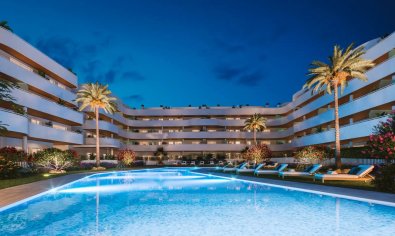
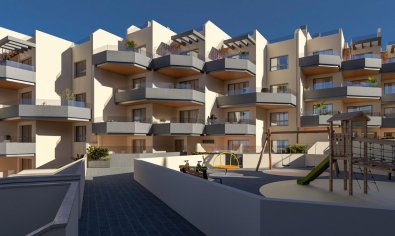
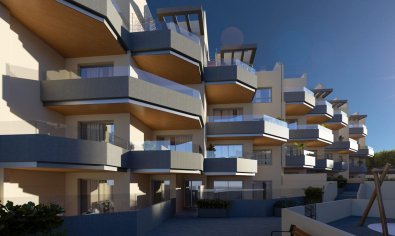
Apartments, residential developments, restaurants and tourism services dominate large sections of the coast.
For residents who value level walking and easy access to the sea, this can be a major advantage over many hillside towns in the Axarquía.
Ferrara Beach
Playa de Ferrara is one of the main coastal areas.
Its promenade is lined with homes, restaurants and everyday services. Torrox's main tourist office is also on the coast, with extra summer information points at Ferrara and El Morche.
The area has a genuine year-round residential presence alongside holiday tourism.
El Morche
Further west, El Morche has its own beach, promenade and established community.
It extends around the Arroyo Manzano and several neighbouring residential areas.
It often feels smaller and more self-contained than central Torrox Costa.
Anyone considering permanent coastal living should compare both rather than treating the entire coastline as identical.
A strong German community
Torrox Costa has an especially visible international population.
The regional tourism authority even describes the local Oktoberfest as taking place in the heart of Torrox's German colony.
International restaurants, services and social networks can make settling in relatively straightforward for northern European residents.
Torrox Pueblo, meanwhile, retains a much more traditionally Andalusian daily atmosphere.
From beach to mountains
Immediately inland, the landscape becomes agricultural and mountainous.
Avocados, mangoes, olive trees and other crops cover many of the surrounding slopes.
Long-distance walking routes including the Gran Senda de Málaga also cross the municipality, linking the coast with the wider Axarquía landscape.
The combination of beach and countryside is one of Torrox's underrated qualities.
Living in Torrox Pueblo
The village suits buyers looking for character and Spanish daily life.
Traditional townhouses and apartments sit within walking distance of shops, cafés and municipal services.
The compromises are gradients, narrow streets and parking.
Before buying in the historic centre, it is worth physically testing the route from the nearest parking area to the property.
Living in Torrox Costa
The coast offers a very different lifestyle.
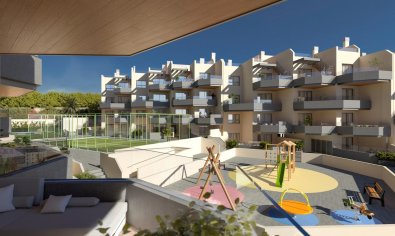
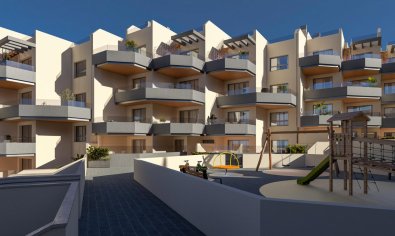
Apartments and urbanisations dominate, often within easy walking distance of the Mediterranean.
For year-round ownership, check orientation, community fees, parking, summer noise and the real distance to supermarkets and other everyday facilities.
A beachfront apartment can feel very different in August than in January.
Living in El Morche
El Morche combines immediate beach access with a slightly smaller residential centre.
Apartments, newer developments and traditional homes all appear in the area.
For buyers who want the sea but prefer not to live in the busiest section of Torrox Costa, it deserves serious consideration.
Rural Torrox
Outside the main settlements are fincas, cortijos and detached villas.
These can provide land, privacy and impressive mountain or sea views.
A car becomes essential and access roads may be narrow or steep.
As with rural property elsewhere in Spain, land classification and the registered status of houses, pools, extensions and outbuildings require careful legal checks.
Torrox or Nerja?
This is one of the most useful local comparisons.
Nerja has a compact historic centre directly beside the sea and a more rugged coastline of coves and cliffs.
Torrox has a longer, flatter developed coast and a much clearer separation between historic village and seaside living.
Buyers who prioritise a flat promenade and easy coastal walking may prefer Torrox Costa.
Those drawn to a historic centre immediately above small Mediterranean beaches may favour Nerja.
Because they are so close, we would always explore both.
Buying property in Torrox
Before comparing individual homes, choose between four environments:
Torrox Pueblo, Torrox Costa, El Morche and the countryside.
Spend time in each one.
Walk through the old village, follow Ferrara promenade, explore El Morche and then drive up to a rural villa.
Only after that does a price-per-square-metre comparison become genuinely useful.
Why Torrox is worth discovering
Start with coffee in Plaza de la Constitución and explore the white streets of Torrox Pueblo.
Then head down to the Faro de Torrox, where Roman archaeology sits beside the modern Mediterranean promenade.
Walk along Ferrara and continue towards El Morche.
And if you can choose December, time your visit for the Fiesta de las Migas.
A white Andalusian village, a Roman settlement beside the lighthouse, long Mediterranean beaches and the unusual ability to choose between traditional Spanish village life and an international coastal community without leaving the municipality.
Greetings from Torrox!