

Greetings from Jávea: coves, mountains and Mediterranean life
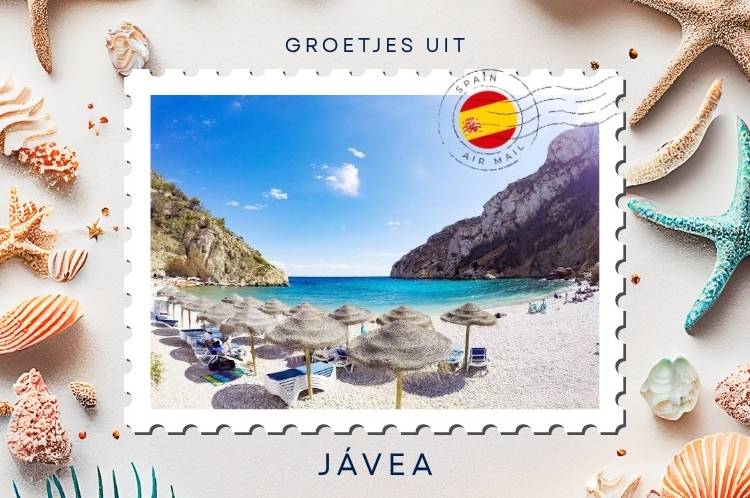
Greetings from Jávea: coves, mountains and Mediterranean life
Jávea, officially Xàbia in Valencian, lies on the northern Costa Blanca between Cap de Sant Antoni and Cap de la Nau. It is difficult to define the town with a single image. There is a historic Spanish centre, an old fishing district and harbour, a lively sandy beach and extensive residential areas surrounded by hills and Mediterranean vegetation.
Xàbia's coastline stretches for around twenty kilometres and includes thirteen officially identified beaches and coves.
More information and current property listings can be found on the Casas Palmeras Jávea area page.
Three different sides of Jávea
The easiest way to understand Jávea is to separate it into Xàbia Històrica, Duanes de la Mar and El Arenal.
The historic centre lies slightly inland. Duanes is the old maritime quarter and harbour, while El Arenal developed around the town's best-known sandy beach. The municipality itself describes commercial life as being distributed between these three main centres.
For property buyers, this distinction is particularly important.
Historic Xàbia
The old centre contains narrow streets, white façades, wrought-iron balconies and the characteristic golden local tosca stone.
Its principal landmark is the fortified Church of San Bartolomé, built between the 14th and 16th centuries.
Small squares, local shops, bars and the municipal market surround the church, creating a far more traditionally Spanish atmosphere than around the main beach.
The Municipal Market
The Mercado Municipal de Abastos stands on the site of a former 17th-century Augustinian convent.
The convent was demolished during the Spanish Civil War and the current market opened in 1946, with architecture designed to harmonise with the neighbouring church.
Today it remains one of the focal points of everyday life in the historic centre.
Thursday market
Jávea also holds its weekly street market every Thursday.
Stalls spread around Plaça de la Constitució, Placeta del Convent and Plaça Marina Alta, selling food, fresh produce, clothing, household goods and other products. The official Valencian tourism website lists the market from 7:30am to 2pm.
For permanent residents, it soon becomes part of the weekly routine rather than simply a tourist attraction.
Muscat grapes, raisins and riuraus
Long before tourism transformed the coast, agriculture played an important role in Jávea.
Muscat grapes were eaten fresh, used for wine and mistela and dried into raisins. The raisin trade led to the construction of the characteristic riuraus, long arched rural buildings designed to protect drying grapes from damp weather.
Examples can still be seen around the wider Marina Alta landscape.
Duanes de la Mar
At the coast lies Duanes de la Mar, Jávea's traditional fishing and harbour district.
Fishing activity remains visible around the port and the local fishing association maintains a sales point for fresh fish and seafood from the bay. Duanes also has shops, restaurants and everyday services that remain active throughout the year.
This makes it much more than a seasonal seafront.
The unusual Loreto Church
At the heart of the port district is the Church of Mare de Déu de Loreto, opened in 1967.
Its striking contemporary architecture and maritime inspiration make it one of Xàbia's most distinctive modern buildings.
It is well worth stepping inside, even if churches are not normally high on your sightseeing list.
Casa del Cable
The harbour promenade is also home to Casa del Cable.
The original building dates from 1860 and was connected with the submarine telegraph link between mainland Spain and Ibiza. The restored building now serves as an exhibition space.
Primer Muntanyar
Between the harbour and El Arenal stretches Primer Muntanyar, also known as Benissero.
This rocky and gravel coastline runs for roughly two kilometres. Marks from the historic extraction of tosca building stone can still be seen in the rock.
Today it is popular for walking, cycling and enjoying the seasonal beach bars beside the Mediterranean.
Roman history beside the water
At the southern end of Primer Muntanyar is a large rock-cut pool known as the Baños de la Reina.
The surrounding area formed part of a commercial settlement during the first century BC where salted fish and fish sauces were produced.
It is an easy piece of ancient history to miss while walking along the modern waterfront.
El Arenal
Playa del Arenal is Jávea's best-known sandy beach and principal leisure area.
A wide promenade lined with restaurants, cafés and shops surrounds the beach. During summer it becomes one of the busiest parts of town.
For anyone who values walking distance to the beach, restaurants and everyday facilities, this can be a very convenient place to live.
Cala Blanca and the rocky coastline
Continue south and the shoreline becomes increasingly dramatic.
Beyond Segon Muntanyar is Cala Blanca, followed by cliffs, rocky coves and small offshore islands. Xàbia's official beach guide also includes Cala Sardinera, Portitxol and Granadella along this stretch of coast.
This is where Jávea becomes particularly attractive for snorkelling, kayaking and diving.
Portitxol
Cala Barraca, usually known as Portitxol, is one of Jávea's most recognisable coves.
Illa del Portitxol lies just offshore, surrounded by cliffs and Mediterranean vegetation. Several of the municipality's official lookout points are also located around this area.
Access can be regulated during busy periods because of limited parking and heavy summer demand, so it is sensible to check conditions before visiting.
Granadella
Further south is Cala Granadella, one of the most famous natural coves on the Costa Blanca.
The beach sits below wooded hills, while the nearby Granadella Forest Park covers almost 700 hectares. Walking route PR-CV 354 provides a way to explore the wider natural area and its viewpoints.
Granadella can therefore be much more than just a beach stop.
Fifteen coastal viewpoints
Jávea's Ruta de los Miradores links fifteen viewpoints along the coastline.
Cap de Sant Antoni, Els Molins, Cala Blanca, Creu del Portitxol, Cap Negre, Cap de la Nau and Granadella are among the stops.
It is a great way to appreciate how varied the coastline is.
Rather than trying to complete them all in one day, we would spread the route across several outings.
Cap de la Nau
Cap de la Nau is the easternmost point of the Valencian Community and offers some of the area's most expansive Mediterranean views.
Several established villa areas lie around this part of Jávea, which explains why sea views feature so prominently in the local property market.
Montgó and Cap de Sant Antoni
To the north rises the Montgó Natural Park and Cap de Sant Antoni.
The coastal waters below the cape form a marine reserve with valuable underwater habitats including Posidonia meadows and a wide range of Mediterranean marine species.
Few Costa Blanca towns combine mountain and sea quite as closely as Jávea.
The windmills of Les Planes
On the plateau between Jávea and Dénia are the old windmills of Xàbia.
An easy circular walk of around 4.5 kilometres leads from the Cap de Sant Antoni recreational area towards Els Molins. The historic mill towers form a particularly distinctive group and the viewpoint provides wide views across Jávea Bay and the surrounding mountains.
Diving and snorkelling
The rocky coastline creates excellent conditions for underwater activities.
Around the Cap de Sant Antoni Marine Reserve there are Posidonia meadows, rocky underwater formations and species including groupers, moray eels, sea bream, sponges and gorgonians.
Portitxol, Cap Negre and Granadella are also popular areas for diving and snorkelling.
Food from sea and countryside
Jávea's cuisine combines maritime and agricultural traditions.
Rice appears in numerous local dishes, while fresh fish and seafood from the harbour play an obvious role. Traditional products also include dried octopus and capellans, small dried fish that are roasted and served with olive oil.
Muscat grapes, almonds and other Marina Alta products complete the picture.
A busy festival calendar
Jávea celebrates several major festivals throughout the year.
Jesús Nazareno is celebrated around late April and early May, Fogueres de Sant Joan in June, Moors and Christians in July and the port district's Mare de Déu de Loreto celebrations in early September.
Different neighbourhoods therefore take centre stage at different moments of the year.
Living in Jávea
Property in Jávea is spread across a large number of different residential areas.
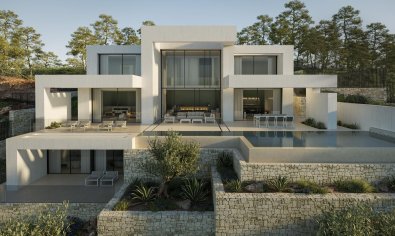
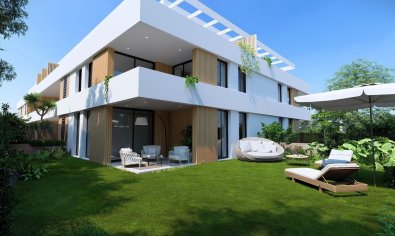
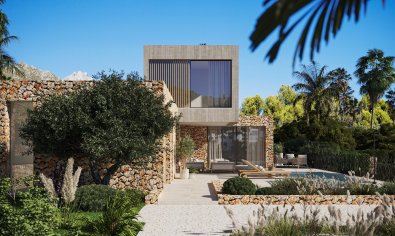
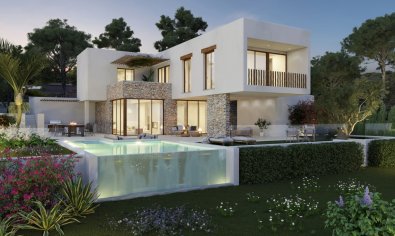
Apartments around El Arenal, homes near the harbour, traditional properties close to the old centre and detached villas around areas such as Balcon al Mar, Cap Martí, Tosalet, Pinosol, La Corona and Montgó can provide completely different lifestyles.
Away from the three principal centres, having a car is generally very useful.
An international but still Spanish town
Jávea has a substantial international population and has long attracted foreign property buyers.
International services and communities make relocating easier, while the historic centre, harbour and traditional festivals retain a strong Spanish and Valencian identity. Casas Palmeras also identifies Jávea as a particularly popular area with international buyers.
For many residents, that balance is one of the main attractions.
Moving to Jávea
For permanent living, Jávea provides schools, healthcare, shopping, sport, restaurants and a wide range of year-round facilities.
However, the municipality is spread over a large area. Daily distances should therefore form part of the property decision, especially for families or anyone hoping to walk rather than drive.
More practical information can be found in our Moving to Spain guide.
Buying property in Jávea
Before choosing a home, we recommend exploring the different parts of the municipality first.
Have coffee in the old town, walk around the harbour, explore El Arenal and then drive through the hillside villa areas. Only then does it become clear how different everyday life can be within the same town.
Sea views are not the only consideration. Access roads, orientation, winter sunshine, nearby services and walking distances can be equally important.
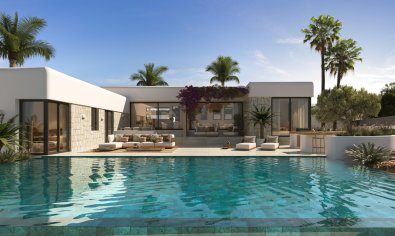
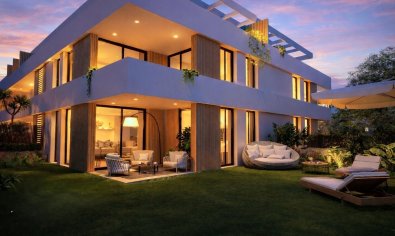
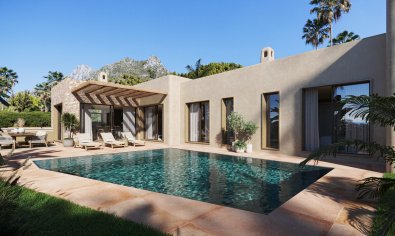
Casas Palmeras currently offers both apartments and villas in Jávea, including new-build property.
Why Jávea is worth discovering
Start the morning in the historic centre, perhaps on Thursday market day, and explore the streets around San Bartolomé. Head down to Duanes for lunch beside the fishing harbour and then walk along Primer Muntanyar towards El Arenal.
Save another day for Portitxol, Granadella and the coastal viewpoints, or exchange the beach completely for a walk in the Montgó.
That variety is exactly what makes Jávea special.
Historic Spanish streets, a working harbour, sandy beach, spectacular coves, mountains and Mediterranean villas all exist surprisingly close together.
Greetings from Jávea!