

Greetings from Dolores: countryside, traditions and authentic Spanish life
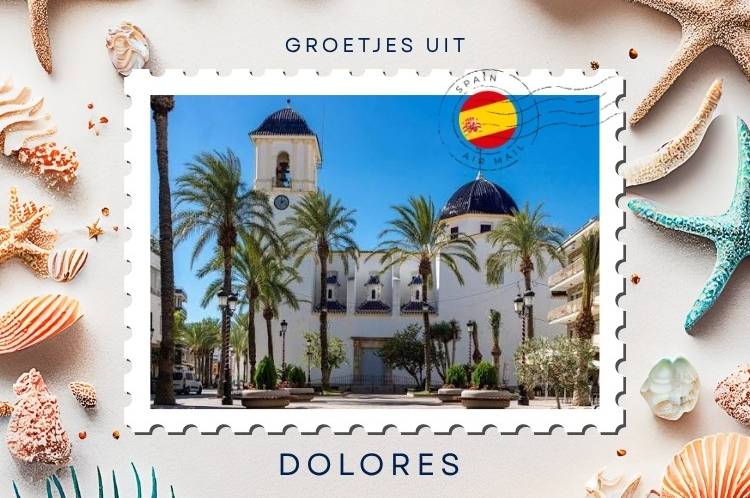
Greetings from Dolores: countryside, traditions and authentic Spanish life
Dolores lies in the heart of the Vega Baja, surrounded by agricultural land and close to Catral, Almoradí, San Fulgencio and Guardamar del Segura. It is a genuine Spanish town where farming, local traditions and everyday community life remain closely connected.
Despite its inland position, the municipality states that the coast is around fifteen minutes away and Alicante-Elche Airport roughly twenty minutes away.
You can find more information about the area and available homes on our page about living and buying property in Dolores.
The heart of Dolores
Daily life centres around Plaza Cardenal Belluga and the surrounding streets, where you will find the church, shops, cafés and everyday facilities.
Dolores is not a tourist resort. Its appeal lies in experiencing the normal rhythm of a Spanish community in the Vega Baja.
From wetlands to fertile farmland
The history of Dolores is closely linked to Cardinal Luis Antonio Belluga. During the early eighteenth century, large areas of marshland were drained by constructing channels and drainage systems.
The resulting Pías Fundaciones led to the creation of settlements including Dolores, San Fulgencio and San Felipe Neri. Previously waterlogged land was gradually transformed into productive farmland.
Irrigation channels and the huerta
Water still shapes the landscape today. Irrigation and drainage channels cross the agricultural land and form part of the historic hydraulic system that made the fertile huerta possible.
Walking or cycling through these rural areas reveals a side of the Costa Blanca that many visitors never see.
Nuestra Señora de los Dolores
The Archpriest Church of Nuestra Señora de los Dolores is one of the town's most important buildings. The original hermitage became a parish church in 1735 and the first stone of the current building was laid in 1737.
Inside is an important image of Nuestra Señora de los Dolores created by renowned sculptor Francisco Salzillo between 1743 and 1745.
The Huerta Museum
The Museo de la Huerta explores the history and ethnology of Dolores and gives visitors an insight into traditional agricultural life.
It is particularly appropriate in a municipality where farming continues to be such an important part of local identity.
The artichoke
The artichoke is one of the characteristic crops of the Vega Baja and Dolores celebrates it with its own gastronomic events.
In 2026 the town once again held several days of activities marking the end of the local artichoke season.
FEGADO
Perhaps the most distinctive local event is FEGADO, the Dolores Livestock Fair.
The 2026 edition took place from 30 July to 3 August. The municipality describes it as the leading livestock fair in the Valencian Community and one of the most important in Spain. It has held regional tourist-interest status since 2019.
Equestrian competitions, demonstrations, traditional crafts and livestock activities bring the agricultural history of Dolores to life.
Local festivities
The festivities dedicated to Nuestra Señora de los Dolores are another major part of the town's calendar.
Processions, music and local activities bring residents together and demonstrate how important community traditions remain here.
Nature and El Hondo
Dolores is close to El Hondo Natural Park, one of the important wetlands of southern Alicante and an excellent area for birdwatching and nature tourism.
It provides a complete contrast to the beaches and promenades normally associated with the Costa Blanca.
Close to the Mediterranean
Dolores is not a seaside town, but the coast is only around fifteen minutes away.
For many residents, this is an attractive compromise: enjoying the beaches whenever they want while returning home to quieter, more rural surroundings.
Living in Dolores
Living in Dolores means choosing a genuine year-round Spanish town. Everyday services are available in the centre and the agricultural countryside begins almost immediately beyond the built-up area.
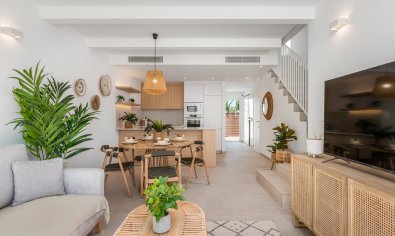
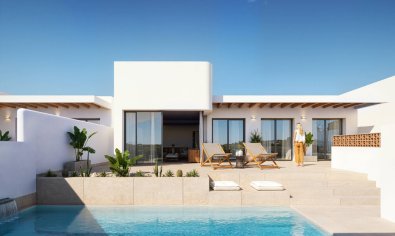
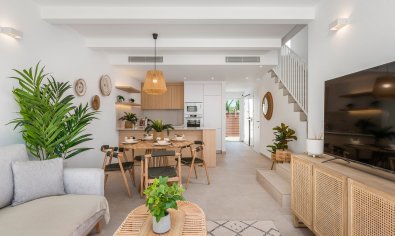
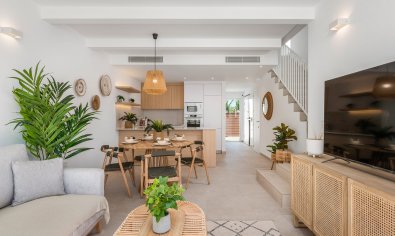
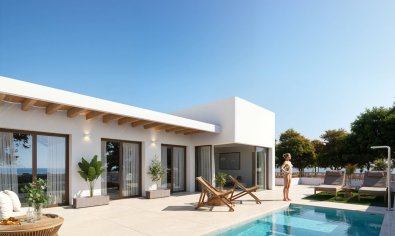
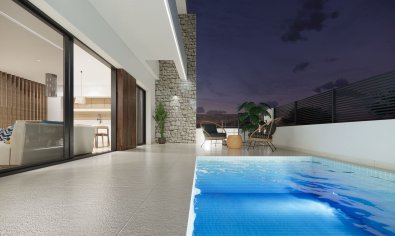
The property market includes apartments, traditional houses, country fincas, detached villas and an increasing selection of modern new-build homes.
Moving to Dolores
For anyone considering moving to Spain and wanting to become more involved in Spanish daily life, Dolores can be an interesting alternative to the highly international coastal areas.
Guardamar, Ciudad Quesada and other Costa Blanca towns remain within easy reach, while the short journey to the airport is particularly practical.
Buying property in Dolores
The right location depends on the lifestyle you want. Living in town makes shops and services easier to reach, while the surrounding countryside offers more opportunities for detached properties, fincas and larger plots.
New development also means buyers no longer have to choose only between older townhouses and traditional country properties.
Why Dolores is worth discovering
Dolores has no seafront promenade or famous beach, and that is exactly what gives it a different character.
Have coffee in the centre, visit the Huerta Museum and explore the farmland and historic water channels. Visit during the artichoke festivities or FEGADO and you will quickly see how strongly agriculture and livestock remain connected to local identity.
It is a great place to discover another side of the Vega Baja and a much less tourist-oriented part of southern Alicante.
Greetings from Dolores!