

Greetings from Santa Pola: beaches, flamingos and authentic coastal life
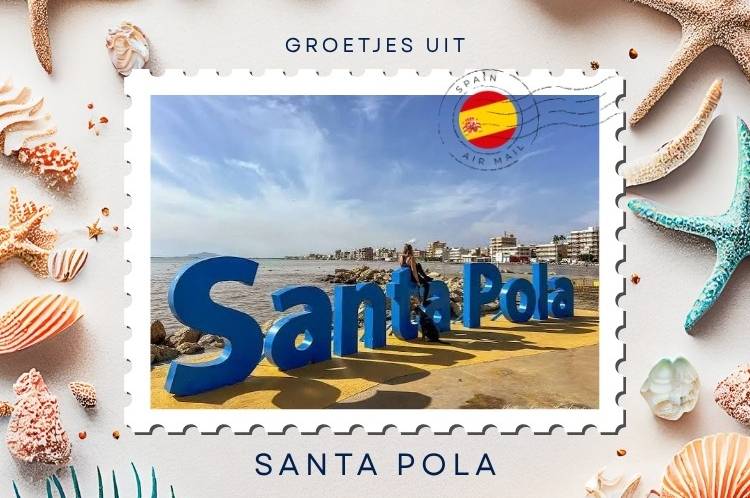
Greetings from Santa Pola: beaches, flamingos and authentic coastal life
Santa Pola lies on the Costa Blanca, just south of Alicante and close to Elche and Alicante-Elche Airport. It is tourist-friendly enough to offer plenty to do, yet it still feels very much like a genuine Spanish coastal town where people live and work throughout the year.
What we particularly like about Santa Pola is its variety. You can start the morning watching flamingos at the salt lakes, have fresh fish beside the harbour and be on the beach only minutes later. And if you fancy a day trip, boats leave the port for the island of Tabarca.
A town that still lives with the sea
Santa Pola's history is inseparable from the Mediterranean. The harbour remains an important part of everyday life and is not used solely by leisure boats. Fishing is still very visible.
Restaurants and terraces surround the port and fishing boats continue to come and go. This gives Santa Pola a different atmosphere from coastal resorts developed almost entirely around tourism.
More than 11 kilometres of coastline
Santa Pola has more than 11 kilometres of coastline, combining long sandy beaches with smaller coves. Well-known beaches include Levante, Gran Playa, Playa Lisa, Tamarit and Varadero.
Levante is close to the centre and convenient for combining the beach with shops and restaurants. Gran Playa and Playa Lisa are on the western side, while the coast around Santa Pola del Este becomes rockier and is broken up by smaller coves.
This gives you several very different beach environments within the same municipality.
Playa Lisa and Gran Playa
Playa Lisa is particularly well known for its shallow water, making it popular with families and water-sports enthusiasts.
Beside it lies Gran Playa, a broad sandy beach backed by residential areas and a long promenade.
This side of Santa Pola feels quite different from the smaller coves towards the east.
Tamarit and Santa Pola's salt tradition
Further towards the salt lakes lies Tamarit Beach, where elements of Santa Pola's historic salt-industry infrastructure can still be seen.
It is an appropriate place to appreciate how closely the sea, salt production and local history are connected. Directly behind the coastline, the open landscape of the Salinas begins.
Flamingos at the Santa Pola salt lakes
The Las Salinas de Santa Pola Natural Park is one of the municipality's greatest natural attractions. Covering approximately 2,470 hectares, it includes working salt pans, wetlands, freshwater pools, dunes, beaches and agricultural land. It is an internationally important wetland and a protected area for birdlife.
Flamingos are naturally its most famous residents. Depending on the time of year, large groups can be seen feeding in the shallow water.
What makes the landscape particularly interesting is the way salt production and nature coexist. Human activity helped shape the environment that now provides such important habitat for birds.
The Salt Museum
To understand the area better, visit the Salt Museum, which also serves as the interpretation centre for the natural park.
Once you know more about the history of salt production, the lagoons and surrounding landscape become even more interesting to explore.
Santa Pola Castle-Fortress
Right in the centre stands the Castillo-Fortaleza, a 16th-century fortress originally built to protect the population from pirate attacks. Today it is one of Santa Pola's most recognisable landmarks.
The fortress houses the Museo del Mar, which tells the story of Santa Pola's history, archaeology and maritime traditions.
The surrounding Glorieta remains one of the town's main meeting places and becomes especially lively during local festivities.
Portus Ilicitanus: Roman Santa Pola
Santa Pola's history stretches back much further than the fortress. During Roman times this was Portus Ilicitanus, the port connected to the Roman settlement of Ilici near present-day Elche.
Archaeological remains can still be visited near El Palmeral and the site is managed as part of the Museo del Mar.
It is fascinating to imagine ships unloading goods here almost two thousand years before today's apartments, promenades and palm-lined streets appeared.
Taking the boat to Tabarca
One of the best day trips from Santa Pola is Tabarca Island. Several boats operate from the port and fast boats can make the crossing in around fifteen minutes.
Tabarca is small enough to explore on foot, with a walled village, little coves and clear water that is popular for snorkelling.
Even the boat journey is worth doing for the views back towards Santa Pola and its coastline.
Cape Santa Pola and the lighthouse
To the northeast of town lies Cabo de Santa Pola, providing a completely different landscape from the beaches and salt marshes below.
Walking and cycling routes cross the higher ground around the lighthouse and there are wide views across the Mediterranean towards Tabarca.
Late afternoon is one of our favourite times to visit, when the light softens and you can look back across much of the coastline.
Santa Pola with children
Families have plenty to choose from. In addition to the beaches, Santa Pola has an aquarium dedicated to Mediterranean marine life. It forms part of the Museo del Mar and contains nine large aquariums.
Pola Park, on the edge of town, provides another option and is particularly aimed at younger children and families.
Add a boat trip to Tabarca and flamingo spotting at the salt lakes and there is easily enough to fill several family days.
A genuine year-round Spanish town
One of Santa Pola's main strengths is that life continues when summer ends. Schools, supermarkets, healthcare, sports facilities, restaurants and shops operate throughout the year.
July and August are naturally much busier, but visit in winter and you are not suddenly surrounded by closed-up holiday developments.
That makes a significant difference for anyone considering permanent living.
Eating out in Santa Pola
Given its fishing heritage, fresh fish, seafood and rice dishes are obvious choices when eating out here.
Restaurants can be found around the harbour, throughout the centre and along different sections of the coastline. International options are also easy to find, but we would definitely recommend setting aside at least one long lunch for traditional Mediterranean food.
Close to Alicante and Elche
Santa Pola's location is extremely convenient. Alicante is approximately twenty kilometres away and Elche is also nearby. Alicante-Elche Airport is only a short drive from town.
That is particularly useful for people who travel regularly between Spain and northern Europe or expect frequent visitors.
What about Gran Alacant?
Gran Alacant officially belongs to Santa Pola municipality but in practice feels like a separate residential area. It lies north of Santa Pola towards Arenales del Sol and Alicante.
Residential developments, apartments, townhouses and villas dominate the area and there is a substantial international population.
For property buyers, we would therefore normally look at Gran Alacant separately from Santa Pola town itself.
Living in Santa Pola
Living in Santa Pola can mean very different things depending on the area. Buyers wanting everyday Spanish life and the ability to walk to most amenities may prefer the centre or harbour. Those prioritising the beach can look towards Gran Playa, Playa Lisa, Tamarit, Levante or Santa Pola del Este.
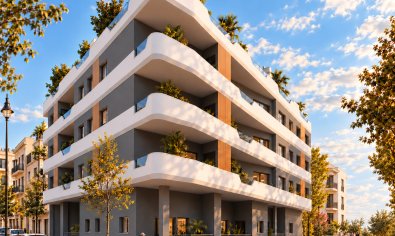
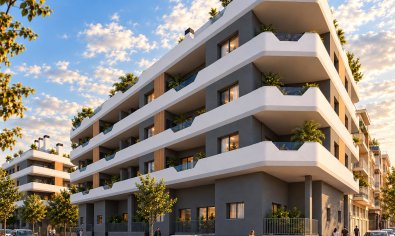
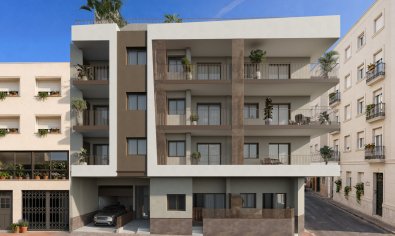
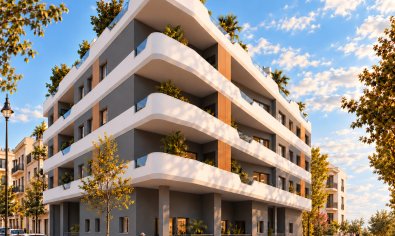
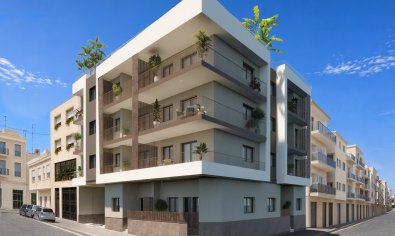
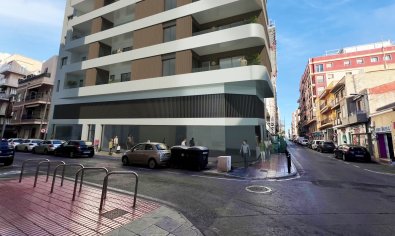
The property market includes resale apartments, penthouses, townhouses, villas and modern new-build developments.
The best location therefore depends heavily on how you plan to use your home.
Moving to Santa Pola
For anyone considering moving to Spain, Santa Pola is particularly attractive because it is a genuine town beside the sea rather than simply a holiday destination.
Everyday amenities are close at hand, the airport is nearby and both Elche and Alicante are easy to reach. At the same time, you do not need to leave town for beaches, nature, restaurants or sports.
There is also a growing international community while the Spanish character remains clearly present.
Buying property in Santa Pola
Anyone looking to buy property in Santa Pola should first think carefully about the lifestyle they want.
Would you like to walk to the bakery and beach every morning? Are a large terrace and sea views more important? Will this be your permanent home or somewhere you use for holidays?
Those answers can completely change which area of Santa Pola is right for you. That is why we recommend spending time in the different neighbourhoods rather than simply moving from one property viewing to the next.
Why we like Santa Pola so much
Santa Pola combines many of the things people love about the Costa Blanca without losing its own identity.
Start the day watching flamingos at the Salinas, have coffee beside the fishing harbour, take the boat to Tabarca, spend the afternoon on the beach and finish with a long Spanish dinner.
The following day, head up to Cabo de Santa Pola and look down over the entire coastline.
Sea, nature, history and genuine Spanish everyday life are all remarkably close together here. And that is exactly why we think Santa Pola is such an enjoyable place both to discover and to live.
Greetings from Santa Pola!