




Greetings from Murcia: tapas, culture and authentic Spanish city life
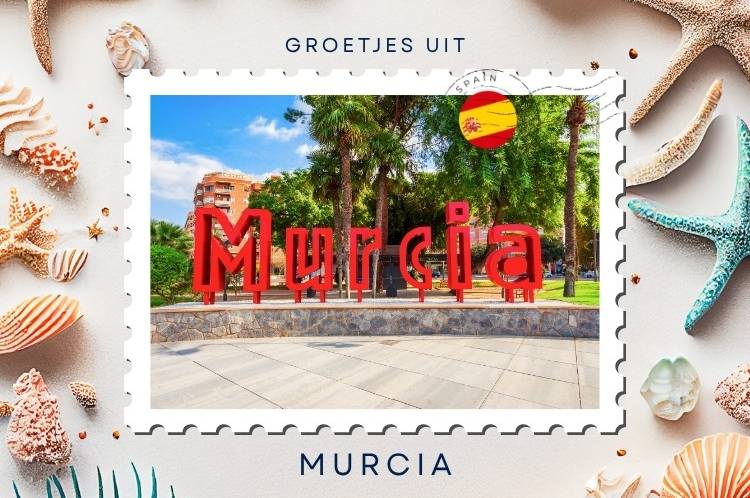
Greetings from Murcia: tapas, culture and authentic Spanish city life
Murcia is one of those cities many people recognise by name but often overlook while staying near the coast. That is a shame, because the capital of the Murcia region has a beautiful historic centre, lively squares, excellent restaurants and a character all of its own. Instead of a seafront promenade filled with tourists, this is a living Spanish city where students, families and older generations share the streets throughout the year.
Murcia lies inland and provides an interesting contrast to the seaside towns of the Costa Cálida. It is large enough to offer everything you would expect from a regional capital, yet the historic centre feels surprisingly compact and easy to explore on foot.
The Cathedral at the heart of Murcia
A visit to Murcia almost naturally begins at Plaza del Cardenal Belluga. Here you will find the impressive Cathedral of Santa María, one of the city's best-known landmarks. Different architectural styles were added over the centuries, including Gothic, Renaissance and Baroque elements. Its tall bell tower is also an unmistakable part of Murcia's skyline.
The colourful Episcopal Palace also stands on the square, alongside several terraces. From here you can walk straight into the old town, where narrow streets, shops and attractive squares follow one another.
Calle Trapería and the Real Casino de Murcia
One of Murcia's best-known streets is Calle Trapería. This pedestrian street runs through the historic centre and is ideal for a leisurely stroll.
It is also home to the Real Casino de Murcia. Despite its name, this is not a modern gambling casino but a historic social and cultural building with an extraordinary mixture of architectural styles. Its Arab-inspired courtyard and richly decorated rooms make it particularly worth visiting.
Plaza de las Flores: time for tapas
To really experience Murcia, spend some time at Plaza de las Flores. This is one of the city's best-known places for tapas. The terraces become particularly lively at weekends and the surrounding streets are filled with bars and restaurants.
Try a marinera, one of Murcia's most famous snacks: a crunchy bread ring topped with Russian salad and an anchovy. Zarangollo, vegetables from the surrounding huerta and various rice and meat dishes are also part of the local cuisine. Murcia's gastronomy is closely connected to the agricultural produce grown around the city.
The Huerta de Murcia
Murcia has long been associated with la huerta, the fertile agricultural land surrounding the city. An ancient irrigation network made it possible to grow a huge variety of fruit and vegetables here.
That agricultural tradition remains important and is especially noticeable in the local cuisine. Tomatoes, peppers, artichokes, citrus fruits and many other fresh ingredients feature prominently. Despite being a substantial city, Murcia therefore remains closely connected to the countryside around it.
A city of squares and terraces
One of the nicest things about Murcia is that you do not really need a strict itinerary. Walk from the Cathedral through Calle Trapería and Calle Platería, take one of the side streets and before long you will probably find another lively square.
Plaza Santo Domingo, Plaza Julián Romea and Plaza de las Flores are among the best-known meeting places, but the smaller streets and terraces are just as enjoyable. Murcia is the kind of city where you can wander for an entire afternoon without feeling the need to rush from one attraction to the next.
Teatro Romea and culture
The beautiful Teatro Romea stands on Plaza Julián Romea and is one of the city's major cultural venues. Murcia also has several museums, including the Museo Salzillo, which displays works by famous Murcian Baroque sculptor Francisco Salzillo.
The Museum of Santa Clara preserves traces of Murcia's Islamic past, including a 13th-century Arab pool.
This combination of Christian, Islamic and Mediterranean influences can be found throughout the city and makes Murcia historically much more interesting than many first-time visitors expect.
The River Segura
The Segura River passes through Murcia and a number of bridges connect different parts of the city. Walking alongside the river provides another perspective on the centre.
On the southern side you will find green spaces including the Jardín de Floridablanca, a pleasant place to escape the busier streets for a while.
Fuensanta and views across Murcia
To leave the city behind for a while, head towards the Santuario de Nuestra Señora de la Fuensanta. The sanctuary stands in an elevated area south of Murcia and its surroundings offer beautiful views across the city and the Huerta de Murcia. The city's official tourism organisation highlights Fuensanta in particular for its views.
It makes a great addition to a morning or afternoon spent exploring the historic centre.
Monteagudo: history above the city
On the outskirts of Murcia, Monteagudo is difficult to miss. A huge figure of Christ stands high on the rock and can be seen from far across the surrounding area. The hill and its surroundings also contain important archaeological remains connected to Murcia's Islamic history.
It is a completely different scene from the shopping streets and terraces of the centre and demonstrates just how much history lies around the city.
Shopping in Murcia
Anyone who enjoys shopping can easily spend a day in Murcia. The historic centre has a large selection of shops around Calle Trapería, Calle Platería and the surrounding streets. Major Spanish and international brands sit alongside smaller shops and local businesses.
There are also several larger retail areas and shopping centres outside the historic centre, making Murcia a popular shopping destination for people living throughout the surrounding region.
Murcia with children
Murcia also works well for a family day out. In addition to its parks and pedestrian squares, Terra Natura Murcia is located close to the city and combines animals with family entertainment. There are many other green spaces and activities for families in and around the municipality.
Sometimes the simplest plans are the most enjoyable: explore the old town, stop for an ice cream in one of the squares and finish the day with tapas while the children enjoy the pedestrianised surroundings.
Murcia's festivals
Murcia certainly knows how to celebrate. During Semana Santa and the Spring Festivals, the city changes completely. Processions, traditional dress, music and large celebrations fill the streets.
These festivities reveal a very different side of Murcia and show how important local traditions remain to the people who live here.
Living in Murcia
Murcia is an interesting option for people who genuinely want to live in a Spanish city. Schools, universities, hospitals, shops, sports facilities, restaurants and culture are all within easy reach, while countryside, smaller villages and the coast remain accessible by car.
Living in Murcia is therefore very different from living in a seaside resort on the Costa Cálida. Coastal life naturally revolves more around the beach and tourism, while Murcia offers the everyday rhythm of a substantial Spanish city.
If you are considering moving to Spain and do not need to live beside the sea, Murcia city is certainly worth exploring.
Buying property in Murcia
Murcia's property market is as varied as the city itself. Apartments are most common in and around the centre, while townhouses and detached homes can be found as you move further away from the most urban areas.
When searching for property, it is important to check exactly what 'Murcia' means in a listing. Murcia is the name of the autonomous region, the municipality and the city itself. A property advertised simply as being in Murcia can therefore be a considerable distance from Murcia city centre.
If you would like to broaden your property search to the coastal region, take a look at our information and homes on the Costa Cálida.
Things to do in Murcia
Start at Plaza del Cardenal Belluga and the Cathedral, then walk along Calle Trapería and visit the Real Casino. By lunchtime, head towards Plaza de las Flores for tapas before continuing to wander through the historic centre.
If you have more time, visit the Museo Salzillo, walk beside the Segura or drive towards Fuensanta for views across the city and its huerta. Murcia is not a place you need to race through ticking attractions off a list. It is much better enjoyed slowly, sitting down on a terrace and following the rhythm of the city.
And perhaps that is exactly what we like about Murcia: it does not feel as though the city was created especially for visitors. This is simply Spain as people live it every day.
Greetings from Murcia!